
Lee Friedlander
About
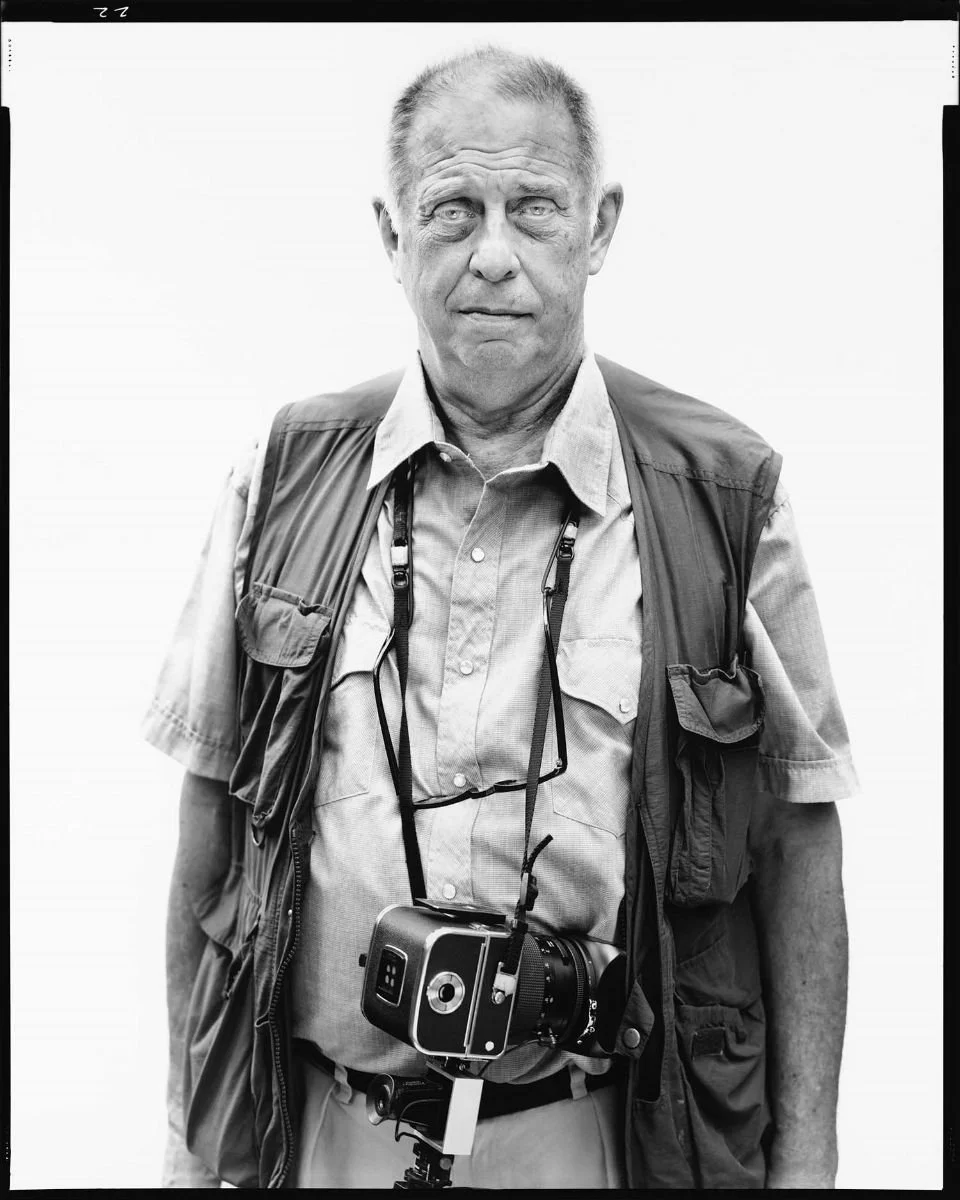
Few photographers have transformed the way we see the American landscape as profoundly as Lee Friedlander. For more than seven decades, he has challenged conventional ideas of composition and subject matter, finding unexpected relationships in the streets, cities, landscapes, and everyday spaces of American life. His photographs combine wit, complexity, and a keen awareness of the visual world, turning the seemingly ordinary into something surprising and deeply revealing. A central figure in the development of American photography since the 1960s, Friedlander’s restless and inventive approach continues to influence generations of photographers.
Born in 1935
Lee Friedlander will be Inducted into the International Photography Hall of Fame at a Ceremony at the Indy Arts Center, October 3, 2026
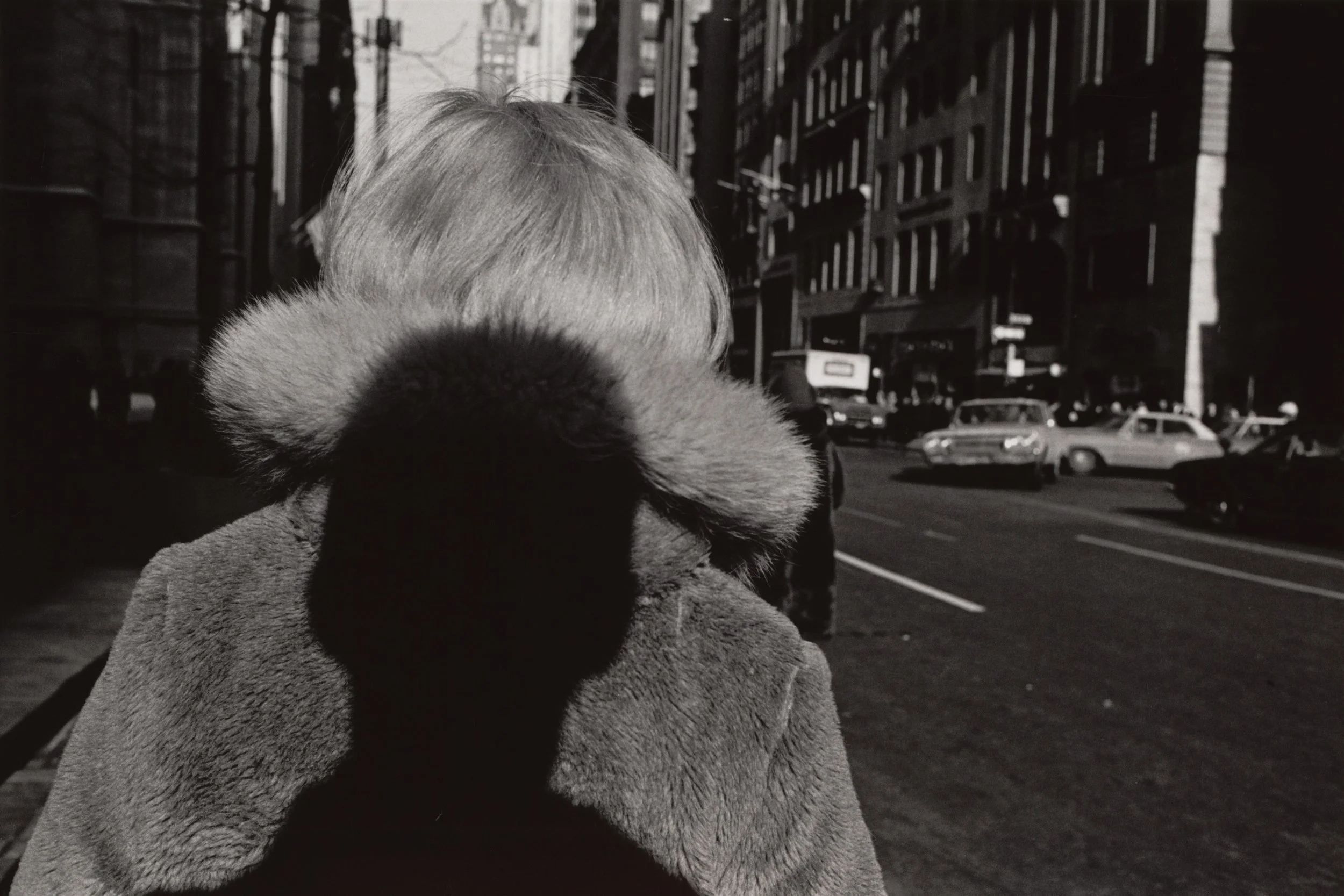
New York City, 1966 © Lee Friedlander. Courtesy the artist and Fraenkel Gallery
Lee Friedlander began photographing the American social landscape in 1948. With an ability to organize a vast amount of visual information in dynamic compositions, Friedlander has made humorous and poignant images among the chaos of city life or in dense natural landscapes, focusing on countless subjects ranging from cars and trees to monuments and nudes. Fraenkel Gallery began showing Friedlander’s work in 1979, the year the gallery opened, and has presented close to 20 solo exhibitions since then.
Many of the photographs from early in his career focus on the street, where he found evidence of the complexity of the American social landscape in sly compositions that record people, buildings, advertisements, and reflections. Friedlander is recognized for a group of self-portraits he began in the 1960s, published in a monograph by Fraenkel Gallery in 2000. His 1960s series The Little Screens shows television screens in motel rooms and other anonymous spaces, pairing disquieting, glowing TV images with their mid-century surroundings. From the 1950s to the 1970s, while continuing his work on the street, Friedlander recorded jazz, country, and blues performers, making images that often appeared on album covers, and were collected in the 1998 publication American Musicians. In the 1970s Friedlander produced The American Monument, a series depicting statues and monuments around the country. Framed to emphasize an ironic or surprising relationship between the markers and their surroundings, the series complicates the notion of commemoration during the decade of America’s bicentennial.
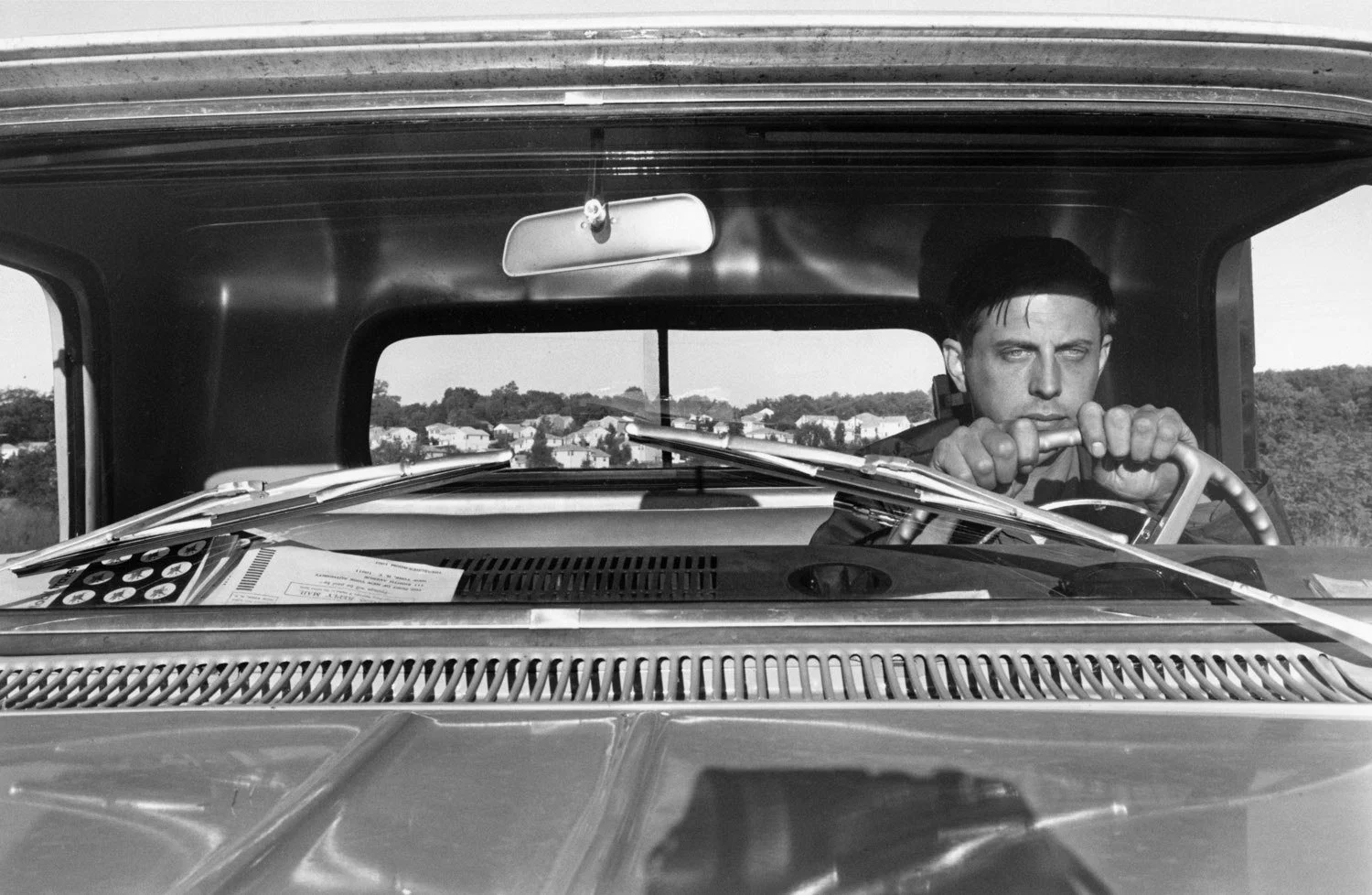
Haverstraw, NY, 1966 © Lee Friedlander. Courtesy the artist and Fraenkel Gallery
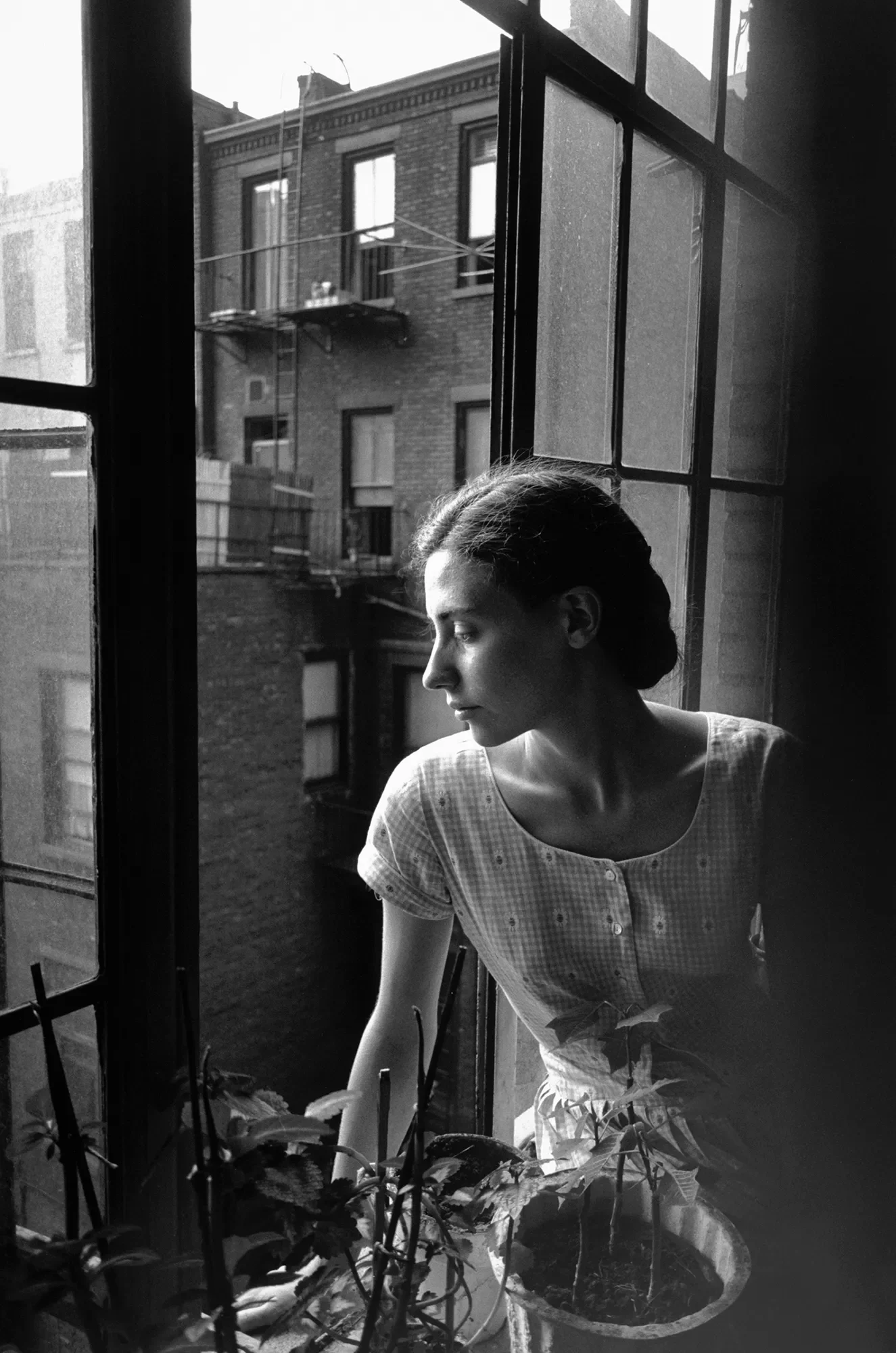
Maria, New York City, 1959 © Lee Friedlander. Courtesy the artist and Fraenkel Gallery
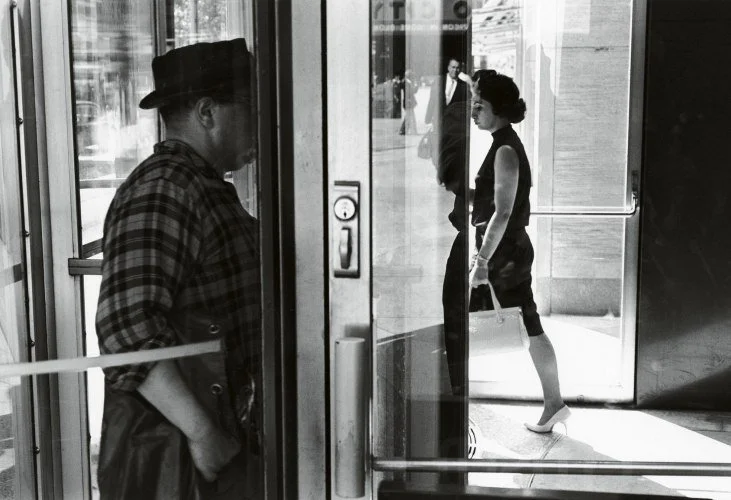
New York City, 1963 © Lee Friedlander. Courtesy the artist and Fraenkel Gallery
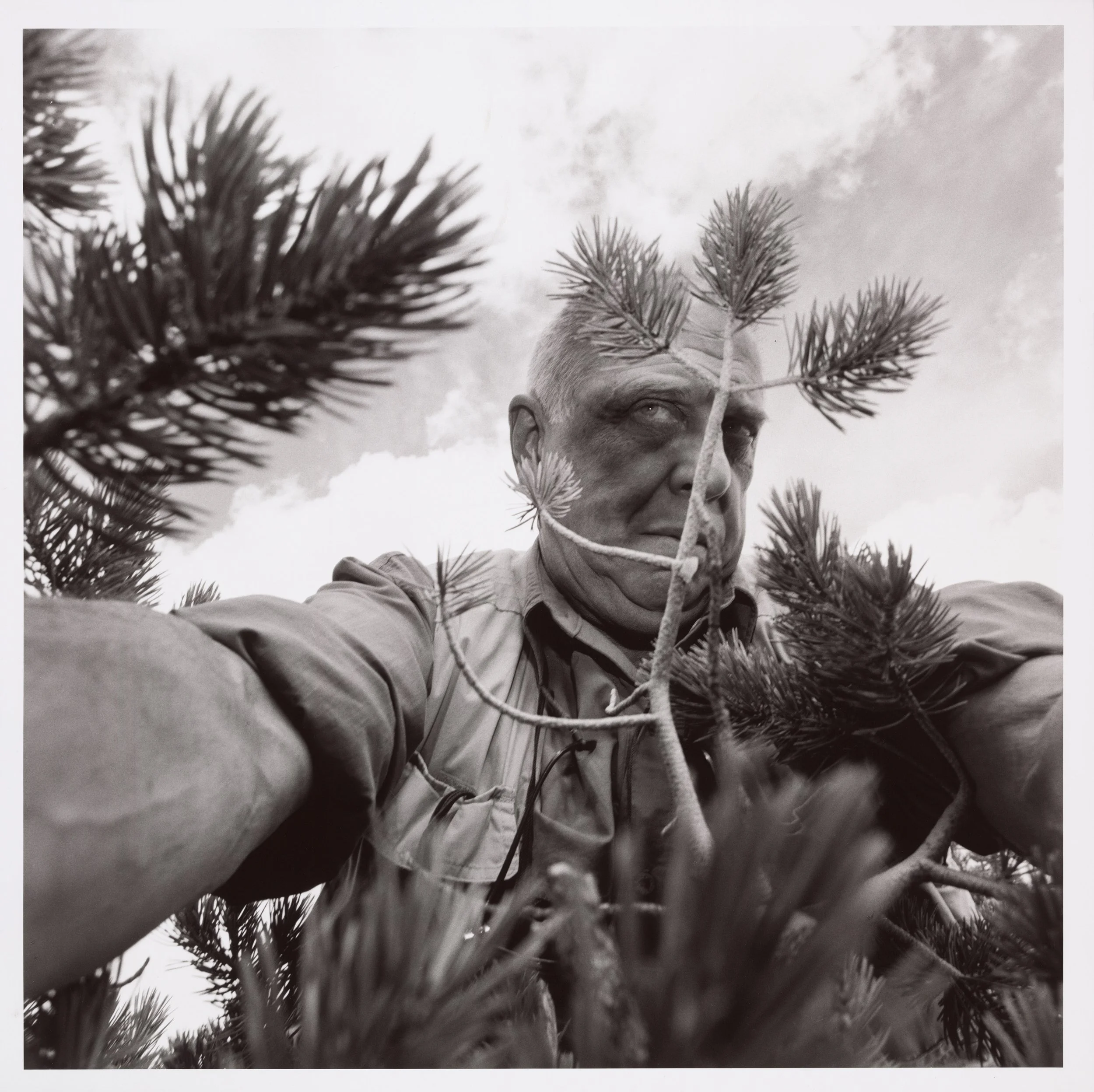
California, 1997 © Lee Friedlander. Courtesy the artist and Fraenkel Gallery
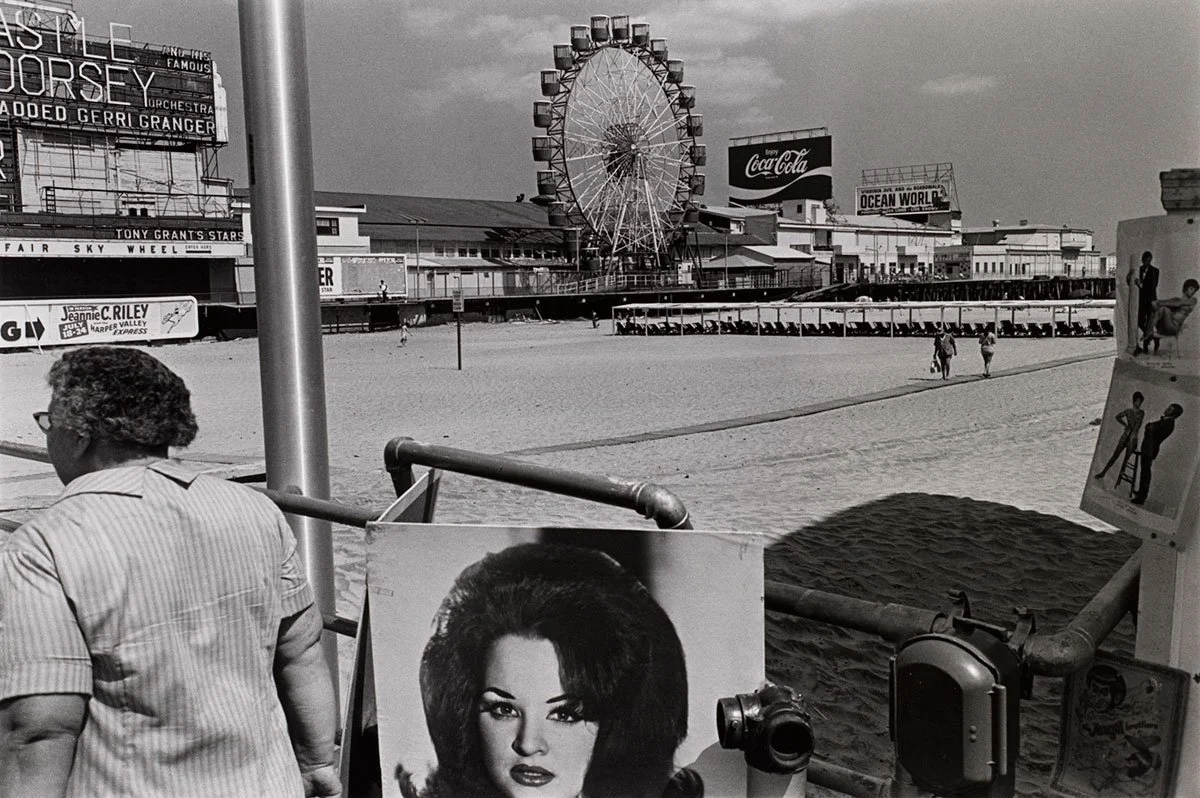
Atlantic City, New Jersey, 1971 © Lee Friedlander. Courtesy the artist and Fraenkel Gallery
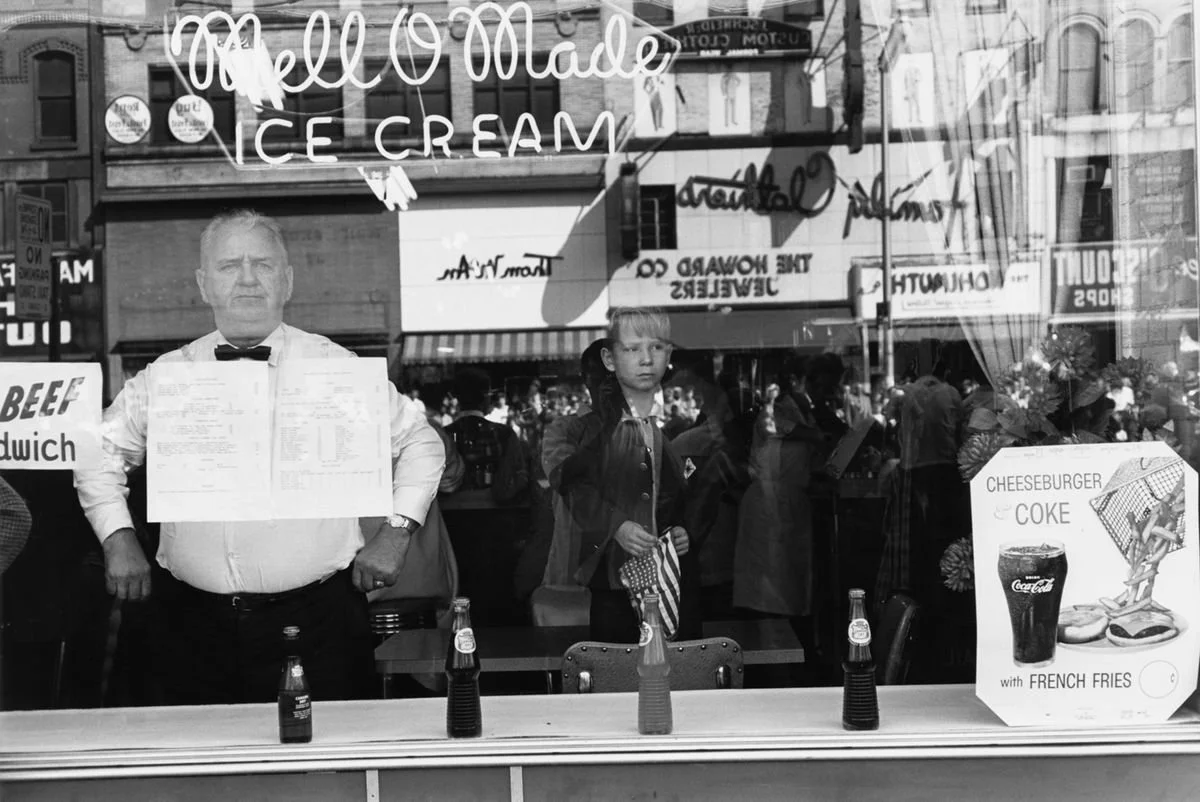
Newark, NJ, 1962 © Lee Friedlander. Courtesy the artist and Fraenkel Gallery
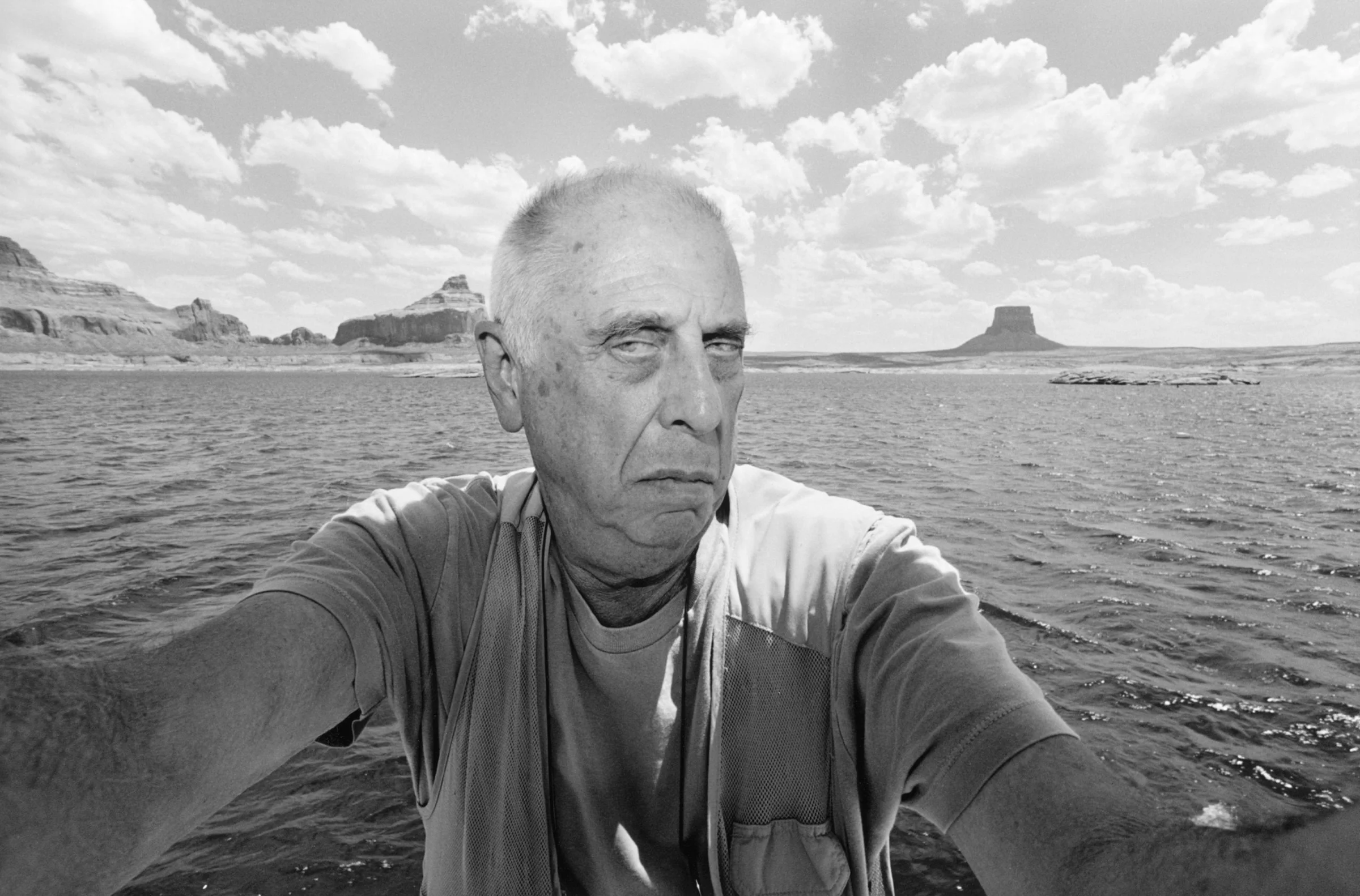
Self-Portrait 339, Lake Powell, 2009 © Lee Friedlander. Courtesy the artist and Fraenkel Gallery
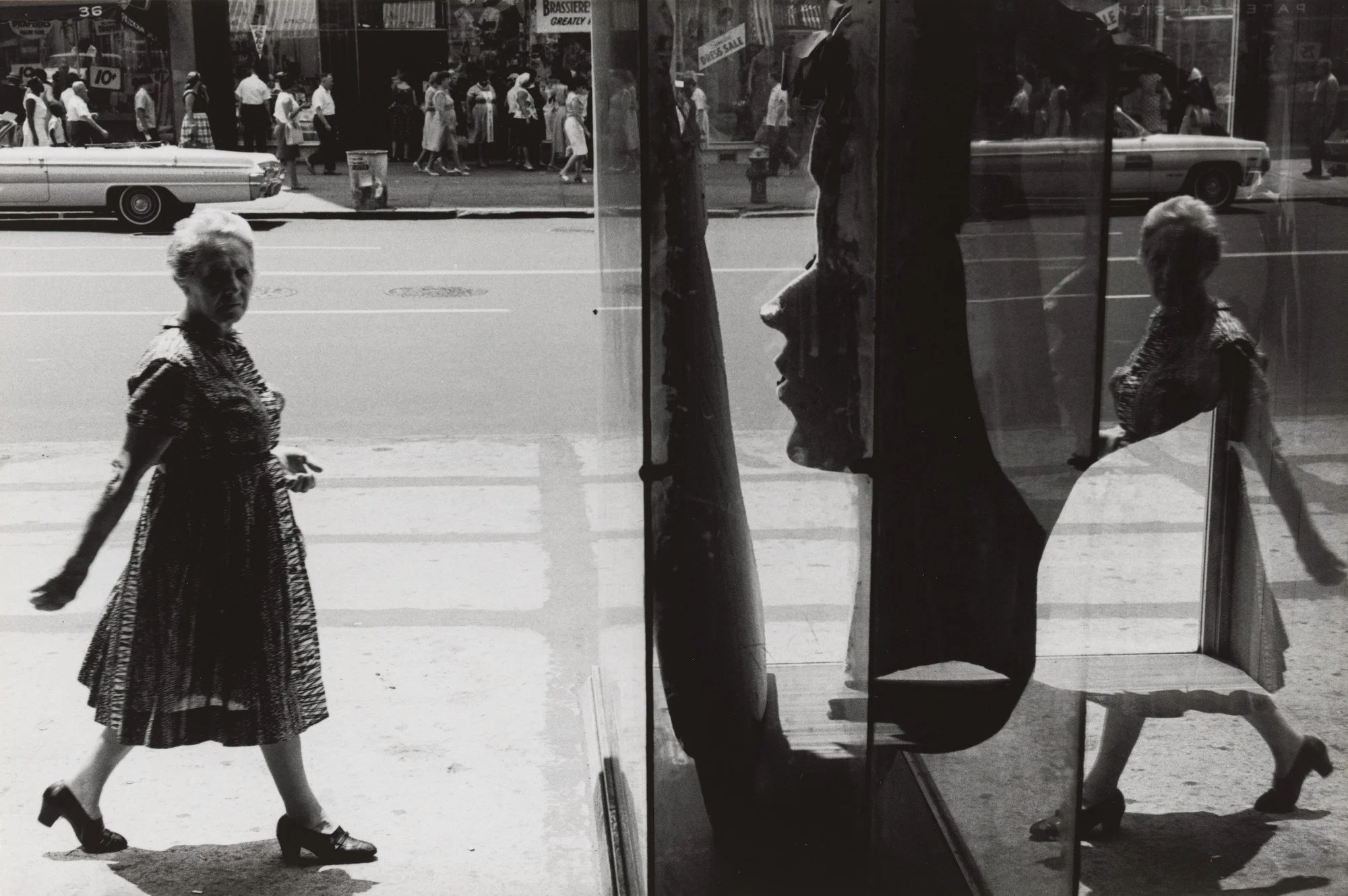
New York City, 1963 © Lee Friedlander. Courtesy the artist and Fraenkel Gallery
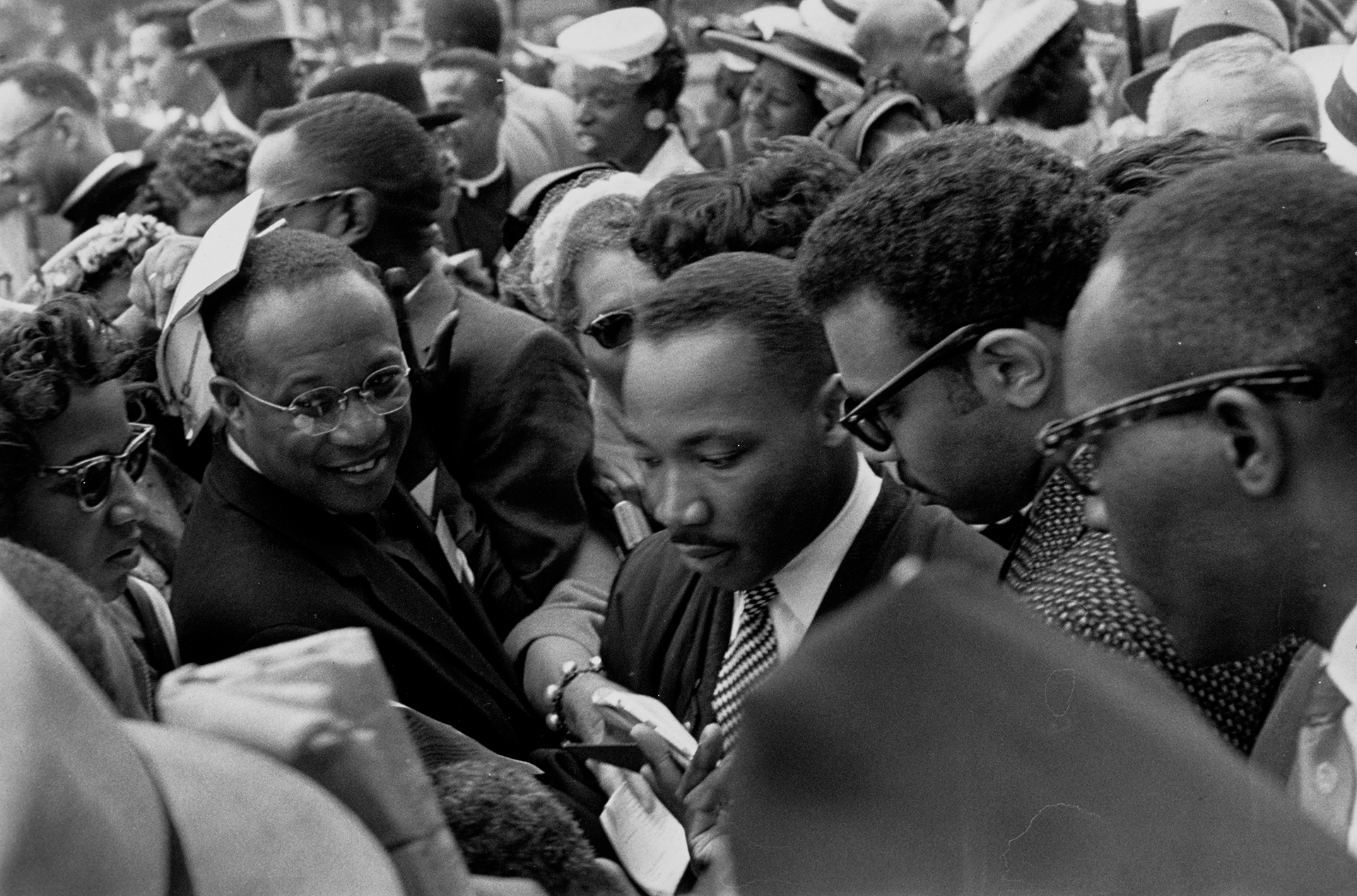
Elmer Carter and Reverend Martin Luther King Jr., from the series Prayer Pilgrimage for Freedom, 1957 © Lee Friedlander. Courtesy the artist and Fraenkel Gallery
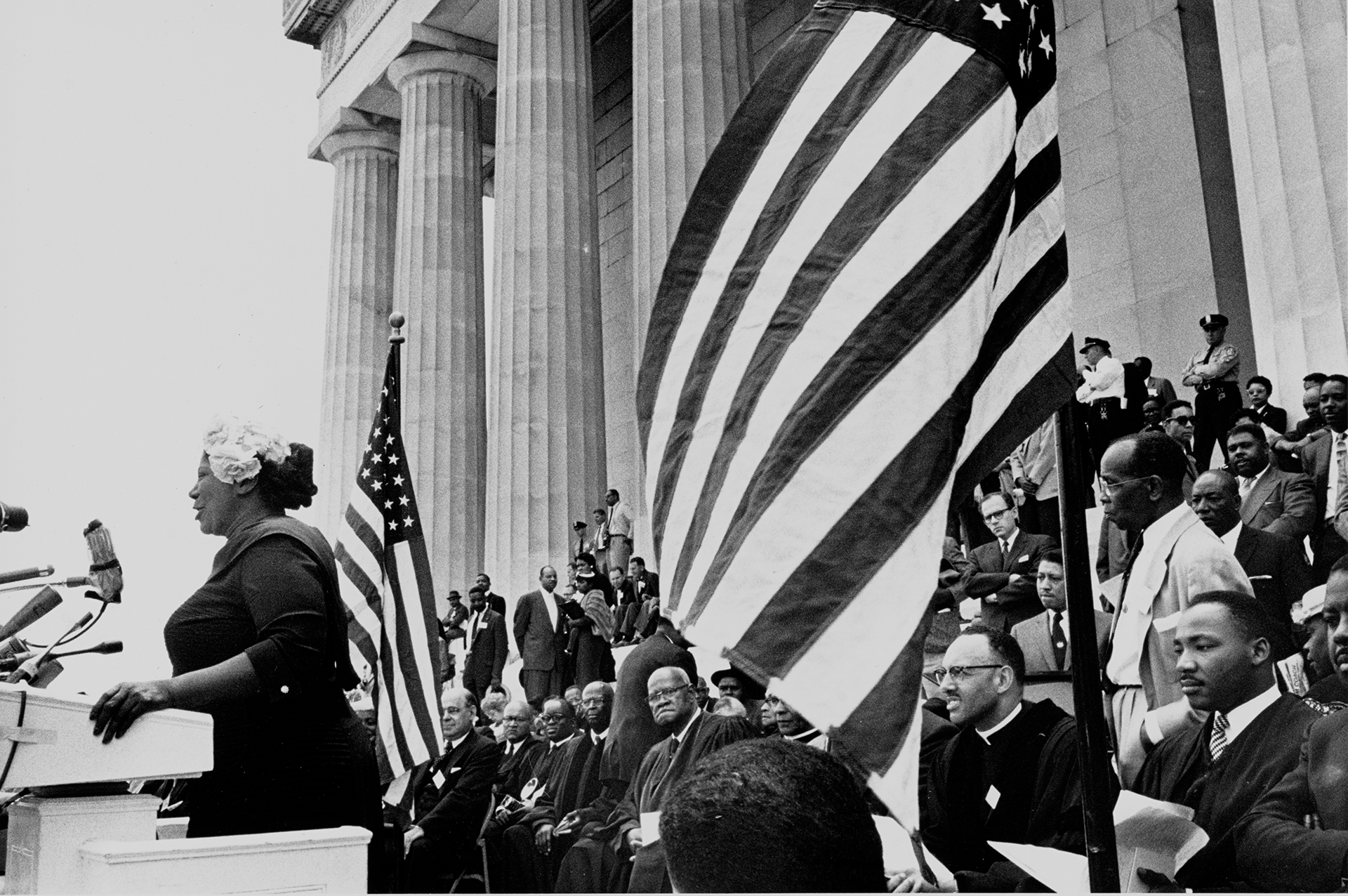
Untitled, from the series Prayer Pilgrimage for Freedom, 1957 © Lee Friedlander. Courtesy the artist and Fraenkel Gallery
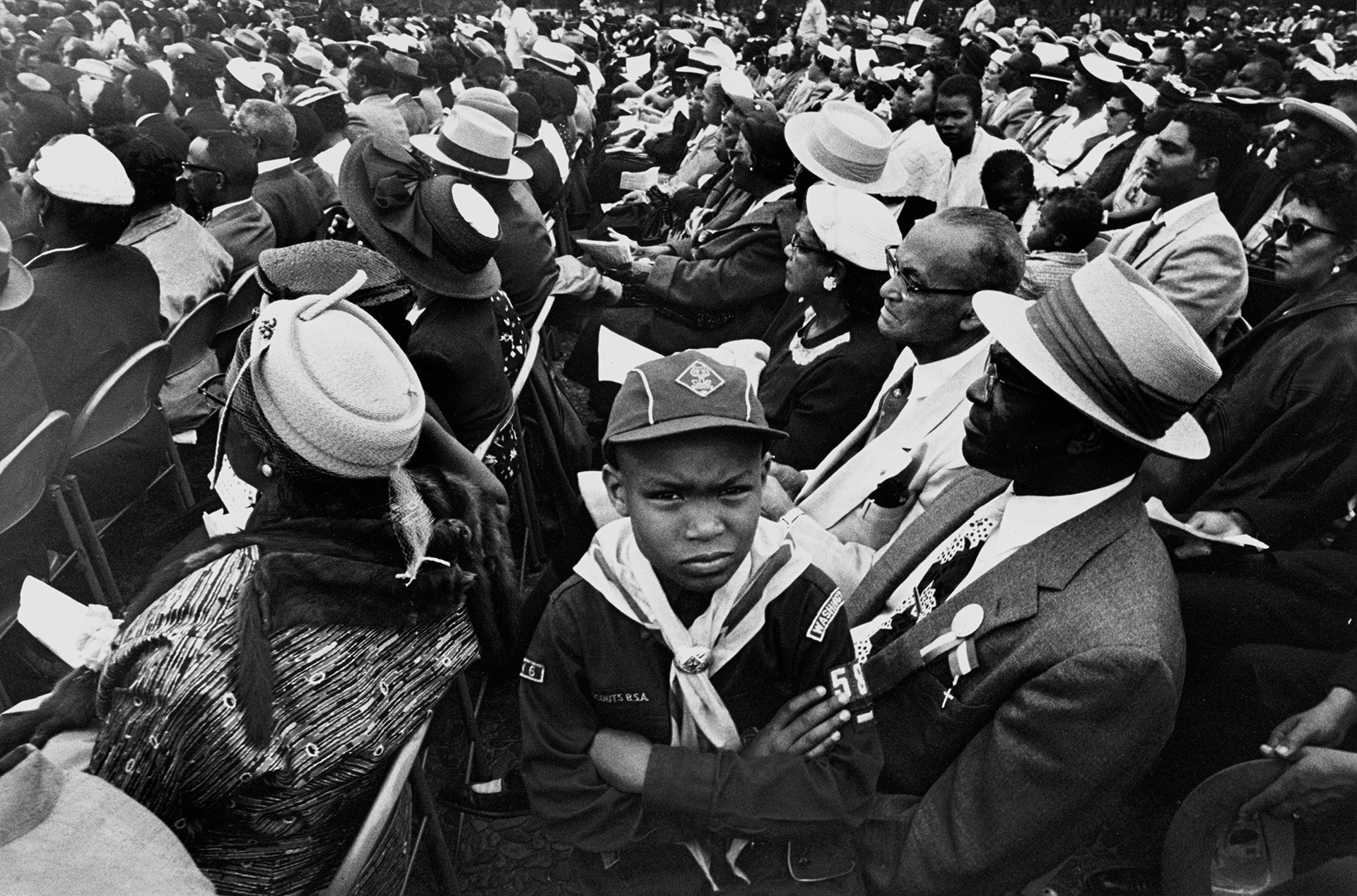
Untitled, from the series Prayer Pilgrimage for Freedom, 1957 © Lee Friedlander. Courtesy the artist and Fraenkel Gallery
Included among the many monographs designed and published by Friedlander himself are Sticks and Stones, Lee Friedlander: Photographs, Letters From the People, Apples and Olives, Cherry Blossom Time in Japan, Family, and At Work. Starting in 2017, the artist and Yale University Press released an ambitious six-book suite collectively titled The Human Clay—a sweeping collection of street and environmental portraits culled and edited by Friedlander from his extensive archive, many not previously published. Recent projects, such as Signs, Chain Link, Dog’s Best Friend, Framed by Joel Coen, and Christmas have continued the focus on revisiting Friedlander’s 60+ year archive, finding new connections and themes that have run throughout his career.
Friedlander’s work was included in the highly influential 1967 New Documents exhibition, curated by John Szarkowski at the Museum of Modern Art in New York. In 2005, Friedlander was the recipient of the prestigious Hasselblad Award as well as the subject of a major traveling retrospective and catalogue organized by the Museum of Modern Art. In 2010, the Whitney Museum of American Art, New York, exhibited the entirety of his body of work, America by Car. In 2017, Yale University Art Gallery exhibited and published some of his earliest work, photographs of participants in the 1957 Prayer Pilgrimage for Freedom in Washington, D.C. In 2020, Fundación MAPFRE in Madrid organized a major retrospective, which traveled to Barcelona, Berlin, and other cities. In 2024, the exhibition Lee Friedlander Framed by Joel Coen traveled to LUMA Arles in France, after debuting at Fraenkel Gallery and Luhring Augustine in New York in 2023. His work is held by major collections including the Art Institute of Chicago; George Eastman Museum, Rochester, New York; the Metropolitan Museum of Art, New York; Museum of Modern Art, New York; National Gallery of Art, Washington, D.C.; San Francisco Museum of Modern Art; and the Whitney Museum of American Art, among many others.
Biography courtesy of Fraenkel Gallery
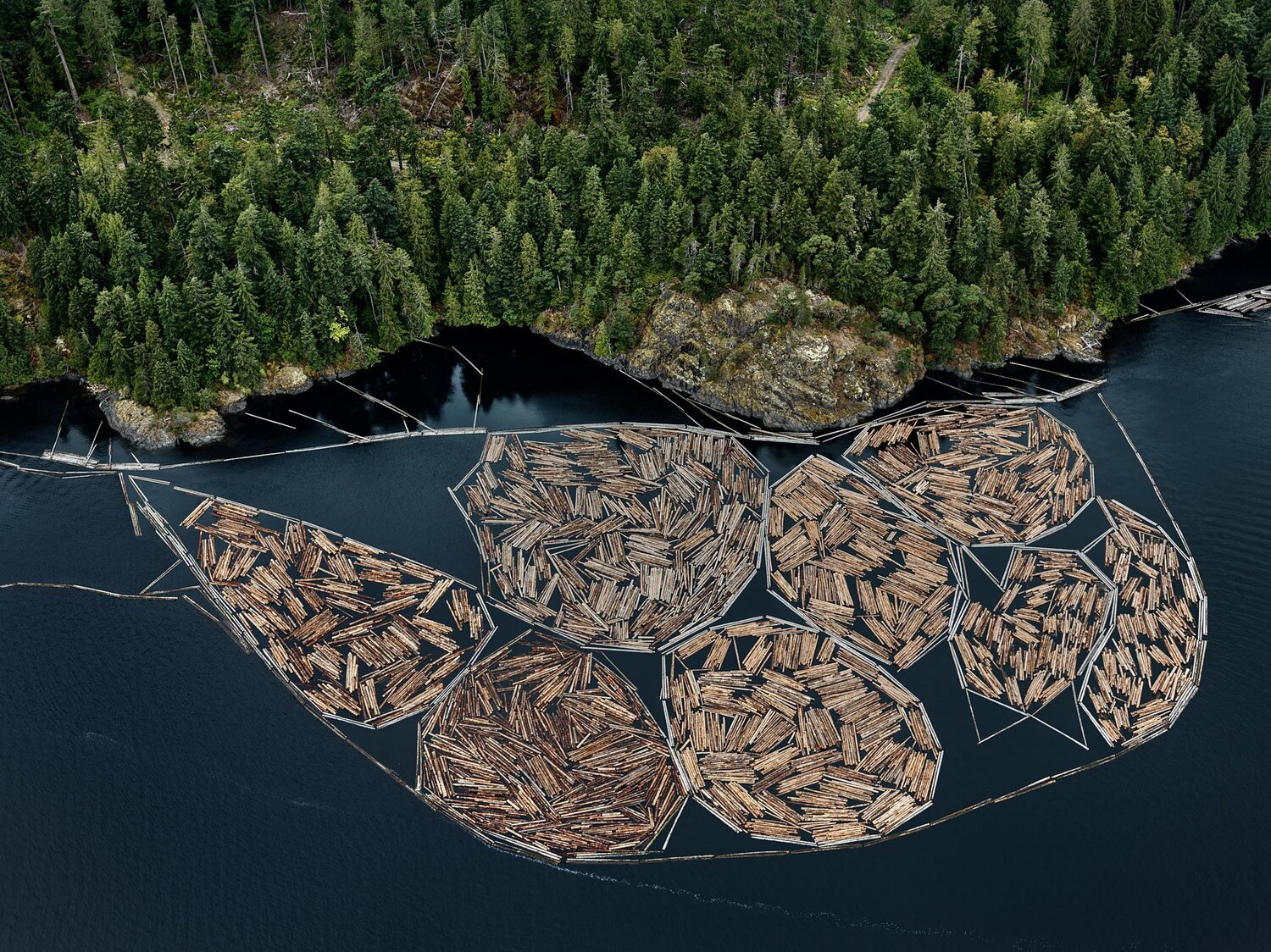
Photo Credit: HOF Inductee: ©Edward Burtynsky
Join Our Mission.
Joining the International Photography Hall of Fame is an unparalleled opportunity to immerse yourself in a global community of passionate photographers and enthusiasts. As a member, you gain exclusive access to a wealth of resources, including workshops and networking events designed to inspire and elevate your craft.
By joining us, you become an integral part of our mission to celebrate photography's artistry, innovation, and impact on a global scale. Whether you're a seasoned professional or an avid enthusiast, your membership empowers you to connect with like-minded individuals, explore new perspectives, and contribute to photographic excellence.