
Joel-Peter Witkin
About
Joel-Peter Witkin has spent more than six decades creating some of the most singular and provocative images in contemporary photography. His meticulously constructed photographs bring together marginalized figures, anatomical fragments, religious symbolism, classical art, and references to Renaissance and Baroque traditions. Through elaborate staging and intensive manipulation of negatives and prints, Witkin transforms his subjects into psychologically charged tableaux that challenge conventional ideas of beauty, mortality, sexuality, and the human body. At once disturbing and deeply considered, his work has established a distinctive place between photography, sculpture, and the traditions of European art.
Born in 1939
Joel-Peter Witkin will receive the IPHF Visionary Award from the International Photography Hall of Fame at a Ceremony at the Indy Arts Center, October 3, 2026
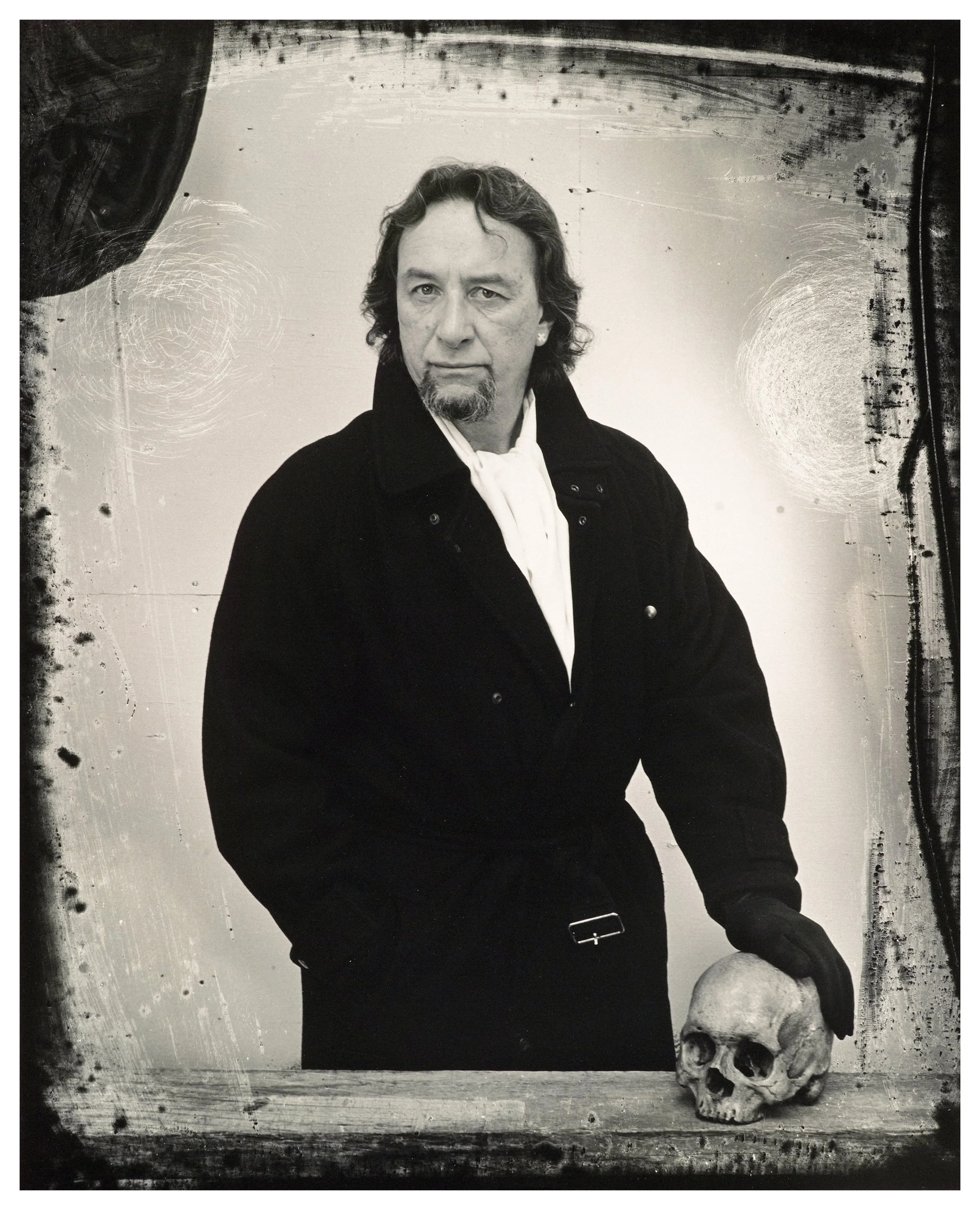
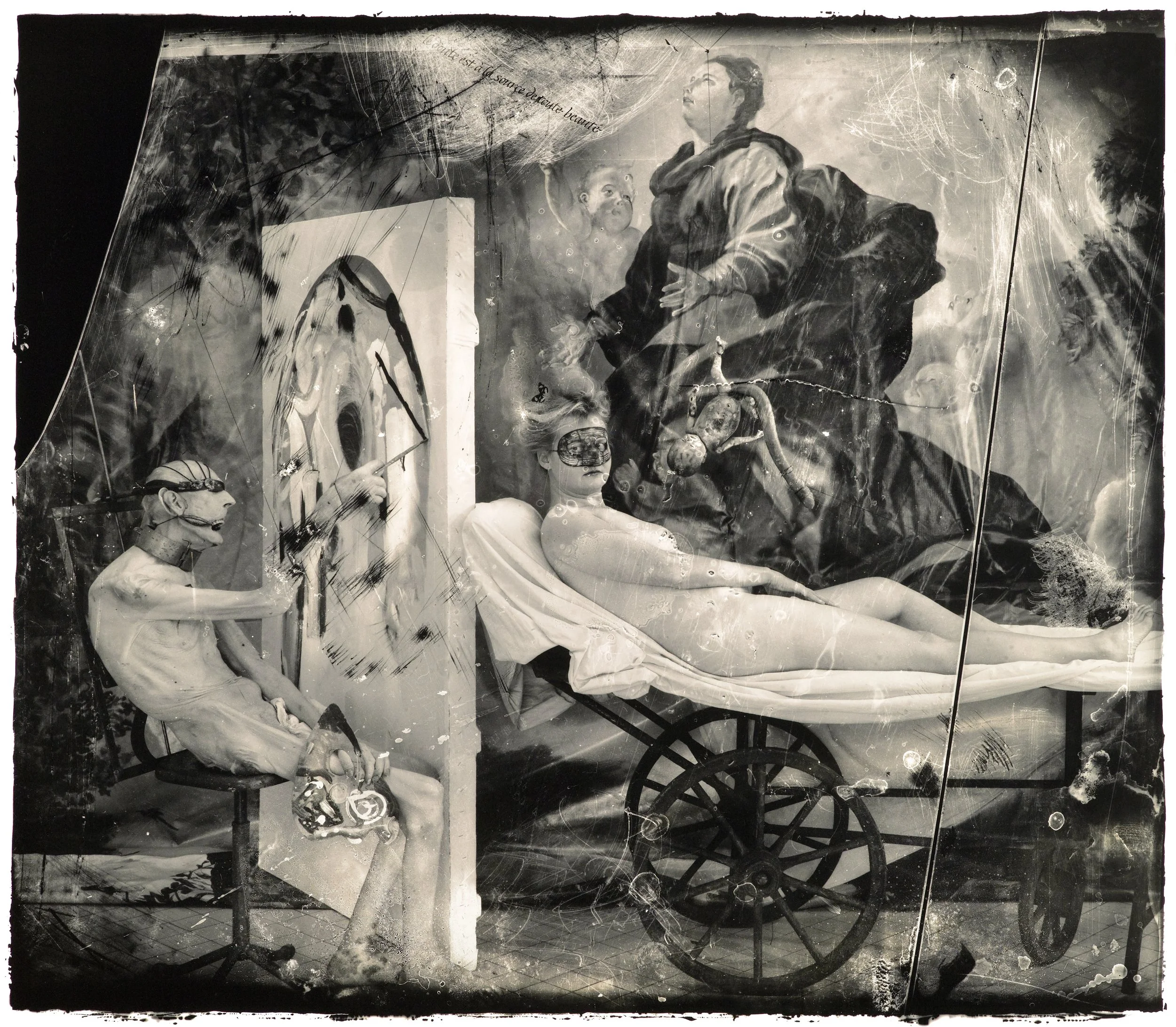
Poussin in Hell, 1999 © Joel-Peter Witkin
Joel-Peter Witkin was born in Brooklyn, New York, in 1939. He and his twin brother, painter Jerome Witkin, were raised by a Jewish father and Roman Catholic mother whose marriage ended in divorce when the brothers were young. Witkin has described several early experiences as formative to his artistic vision, including witnessing a fatal automobile accident as a child. His interest in photography began in adolescence, and as a teenager he photographed performers at Coney Island. One of his early photographs was selected by Edward Steichen for inclusion in the collection of the Museum of Modern Art.
In 1961, Witkin enlisted in the U.S. Army and served until 1964. Although his military service has sometimes been described as an effort to photograph combat, Witkin has disputed that account. During his service he worked primarily in public information and photography rather than as a combat photographer. After leaving the Army, he continued to develop his artistic practice while studying sculpture and photography. He received a B.F.A. from Cooper Union in 1974 and pursued graduate study at the University of New Mexico, where he completed his master’s thesis Revolt Against the Mystical in 1976 and later earned an M.F.A.
Witkin’s photographs are carefully constructed rather than simply observed. He stages elaborate tableaux incorporating live models, corpses, anatomical fragments, objects, and references drawn from religious imagery, mythology, Renaissance and Baroque painting, and the history of sculpture. His subjects have included people frequently marginalized or excluded from conventional representations of the human body, including amputees, dwarfs, and other figures whose appearances challenge accepted notions of physical normalcy. Through these encounters, Witkin explores vulnerability, identity, desire, mortality, and the boundaries between beauty and the grotesque.
His photographic process is equally distinctive. Witkin frequently alters his negatives and prints through scratching, bleaching, toning, and other forms of darkroom manipulation, giving the finished photographs an aged and tactile appearance. The resulting images occupy an unusual space between photography and constructed art, emphasizing the photograph as an object that has been deliberately made rather than a transparent record of an event. The University of New Mexico has described his tableaux as contemporary interpretations of the memento mori tradition, while noting his use of hybrid and fragmented human forms alongside elements of Renaissance and Baroque still life.
Among his best-known photographs are Le Baiser (1982), an image constructed from two halves of a human head brought together in a kiss, and Sanitarium (1983). His work has frequently drawn attention for its unsettling imagery, but its influence extends well beyond photography. Sanitarium, for example, influenced Alexander McQueen’s Spring/Summer 2001 fashion collection, demonstrating the reach of Witkin’s visual language into other creative disciplines.
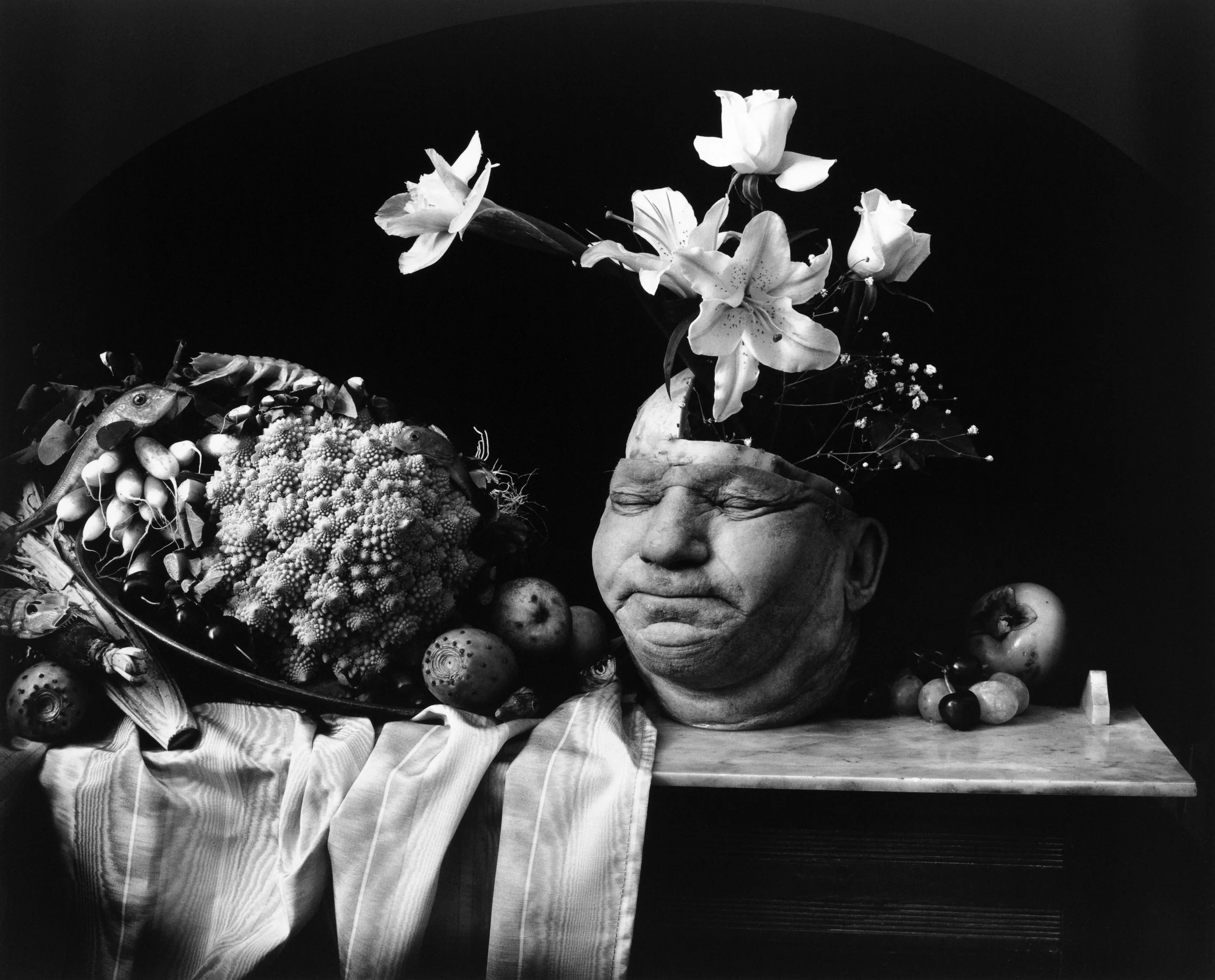
Still Life, Marseilles, 1992 © Joel-Peter Witkin
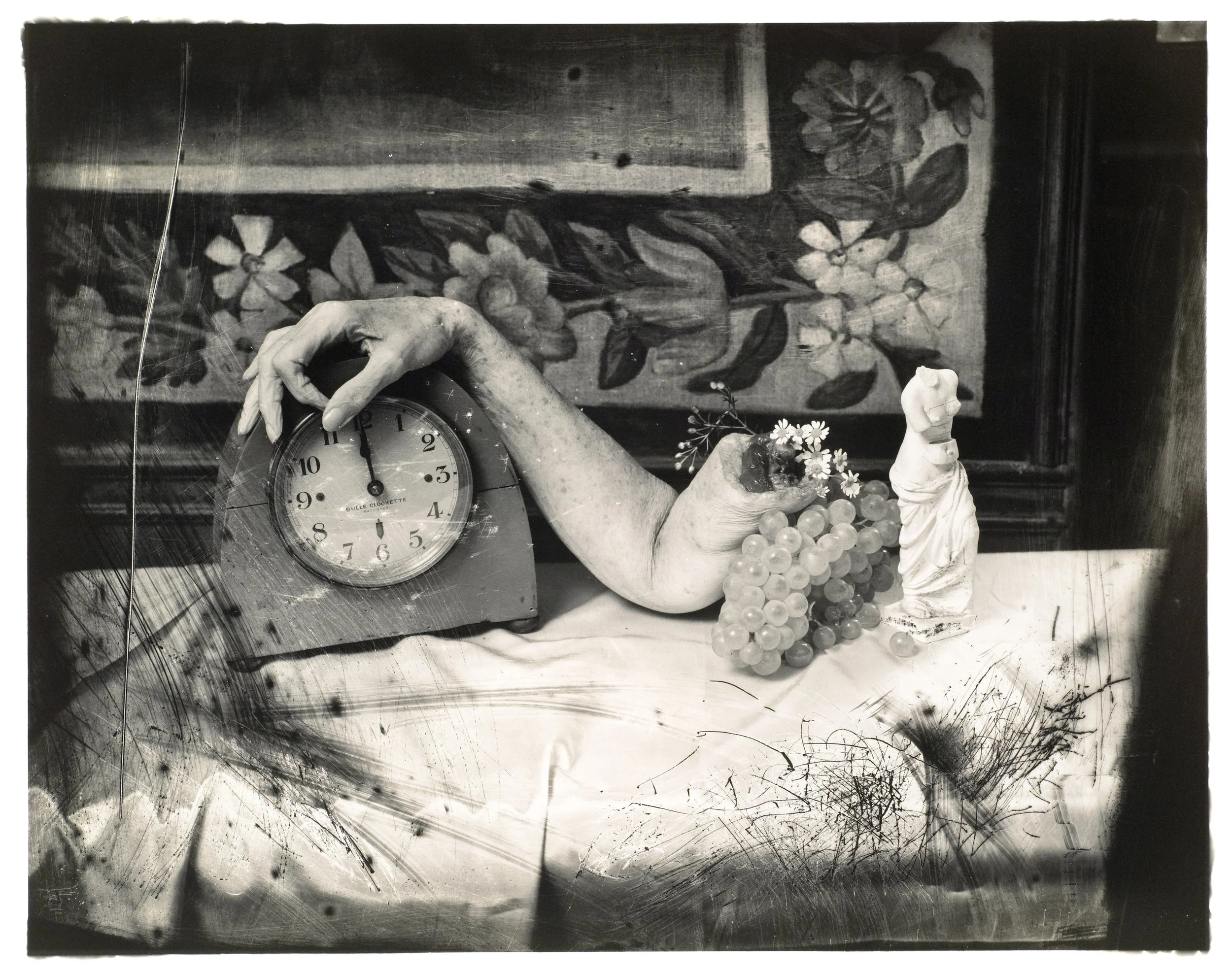
Anna Akhmatova, Paris, 1998 © Joel-Peter Witkin
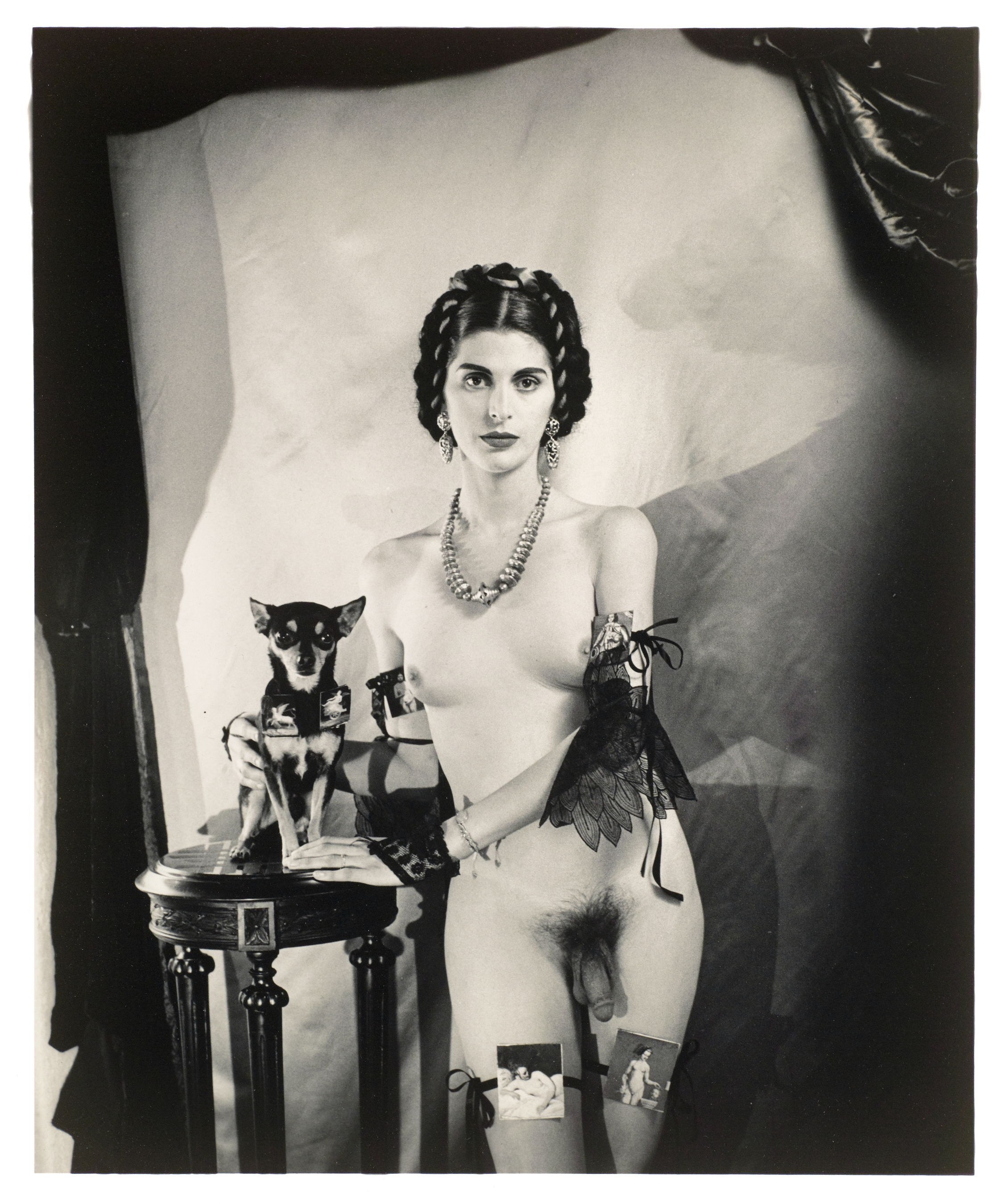
Man With Dog, Mexico City, 1990 © Joel-Peter Witkin
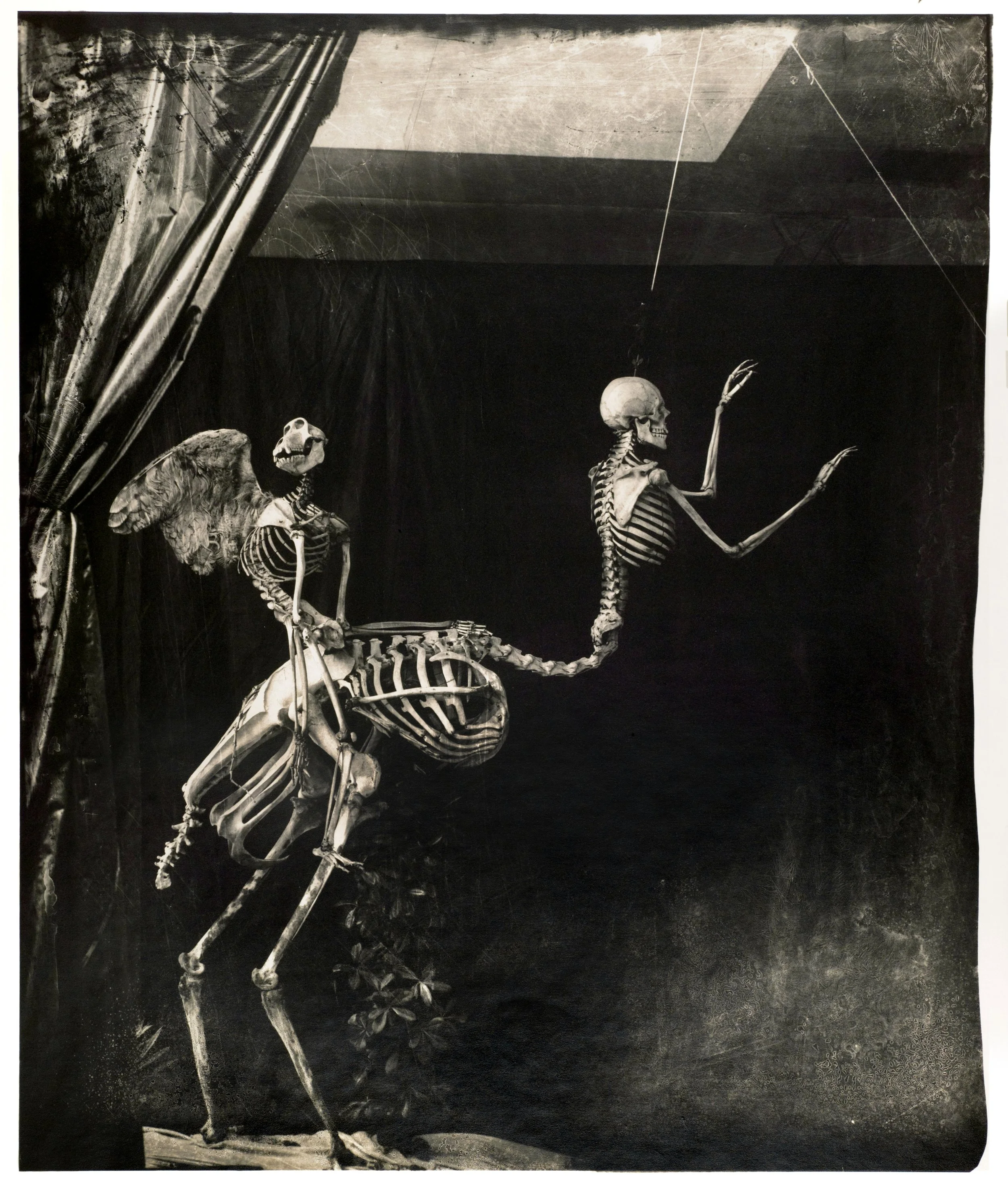
Cupid and Centaur in the Museum of Love, Marseille, 1992 © Joel-Peter Witkin
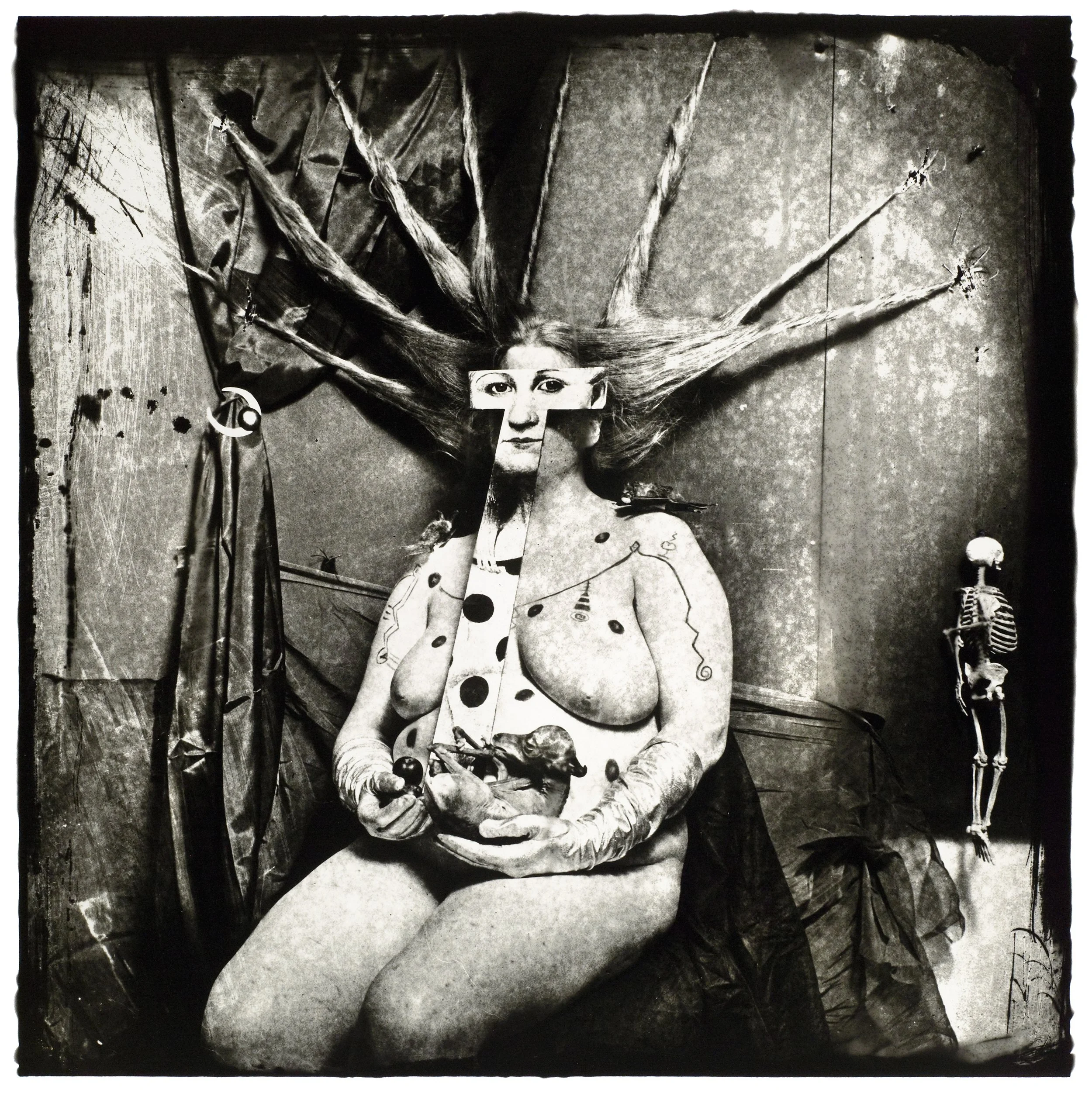
Portrait of Nan, NM, 1984 © Joel-Peter Witkin
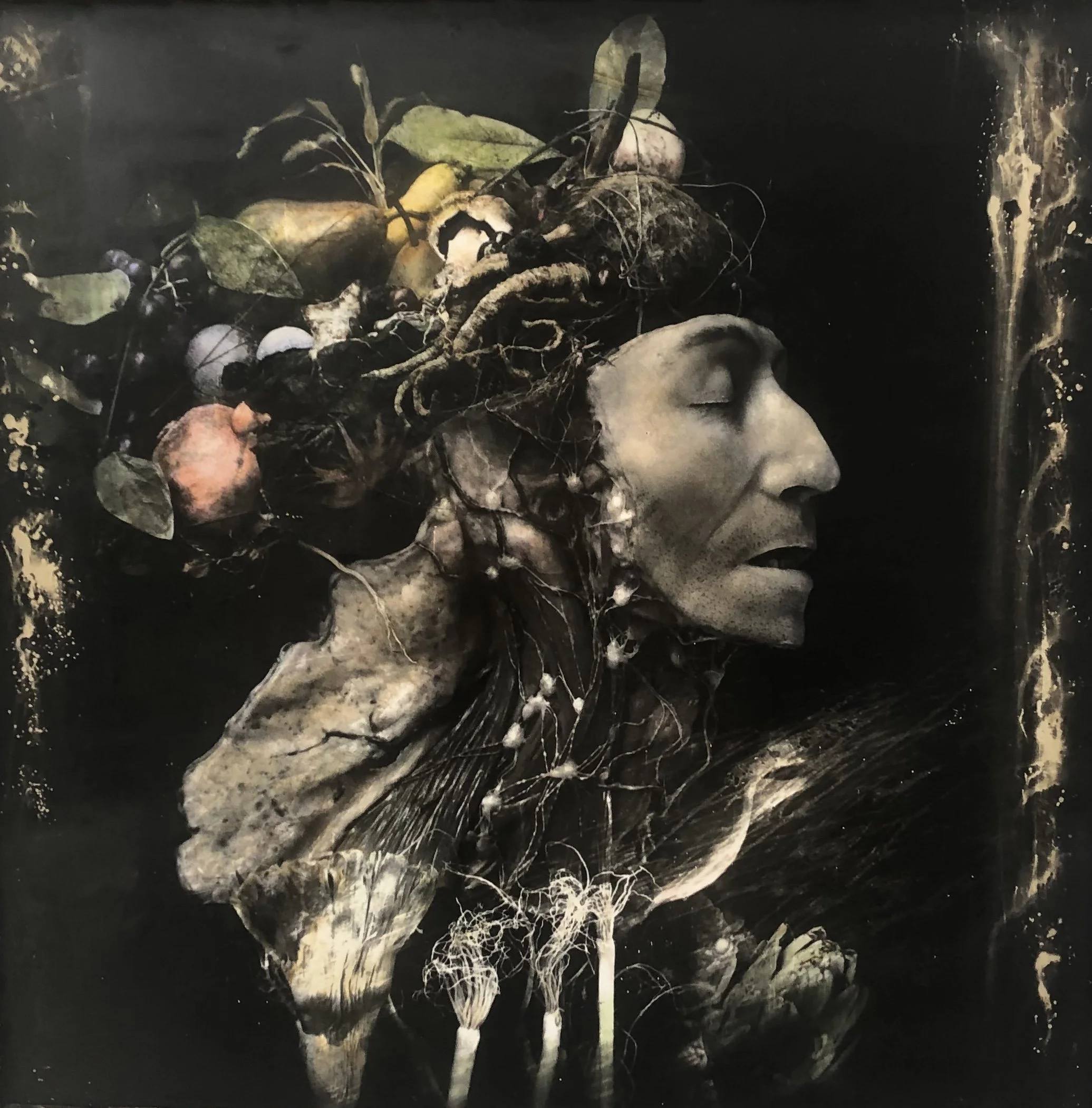
Harvest, PA (Unique Encaustic), 1984 © Joel-Peter Witkin
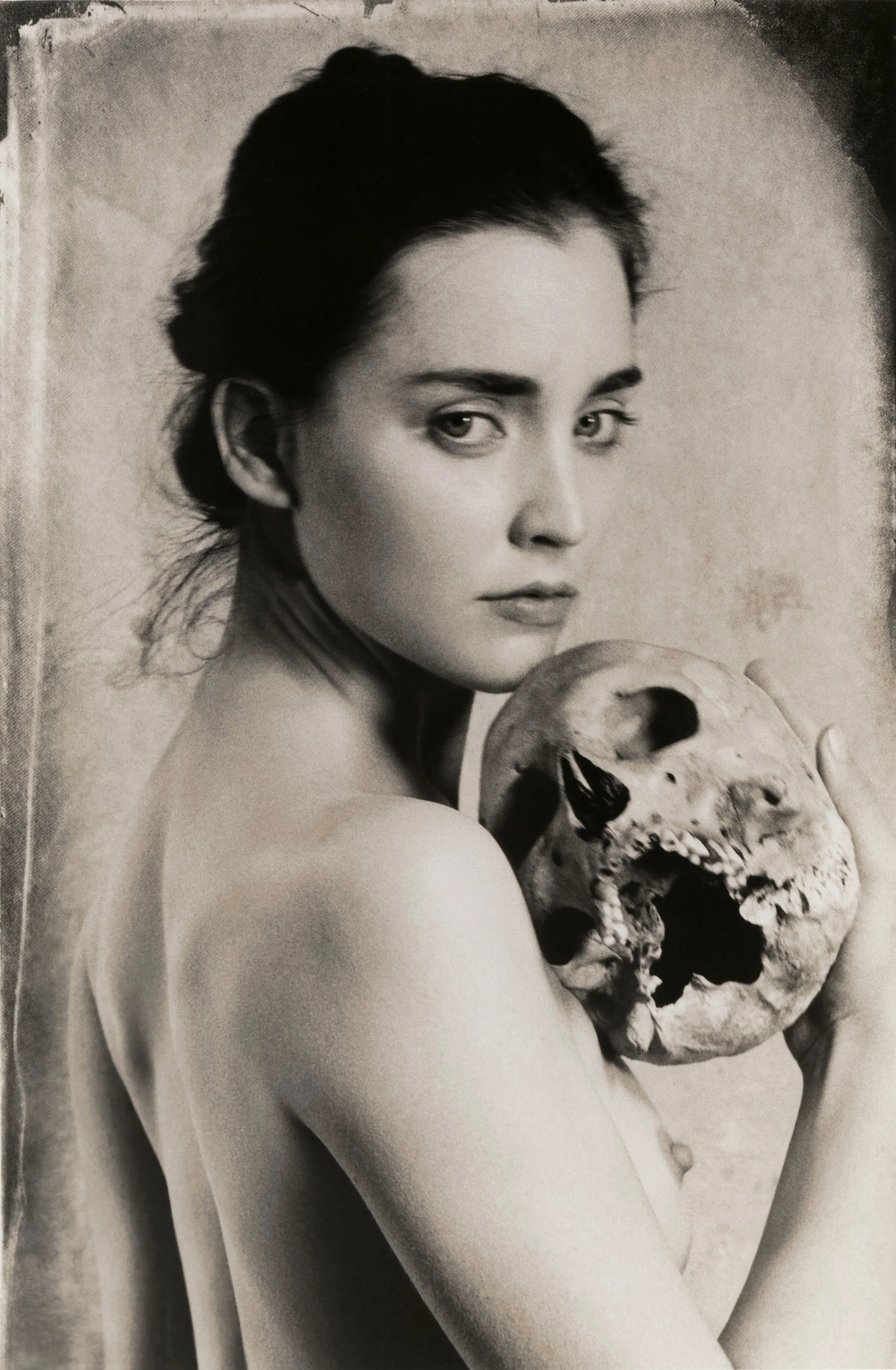
La Belle et La Bête, Paris, 2017 © Joel-Peter Witkin
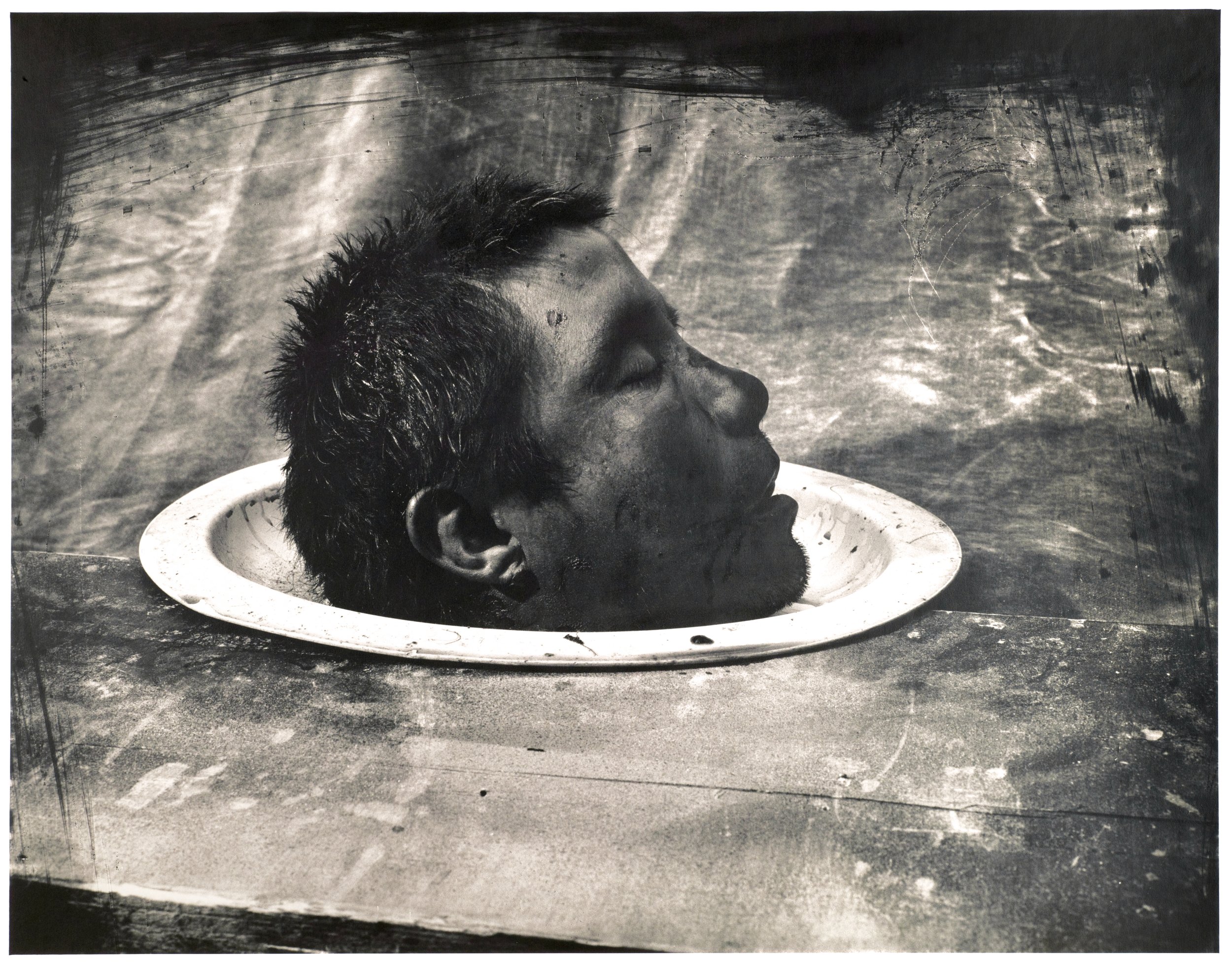
Head of Dead Man, 1990 © Joel-Peter Witkin
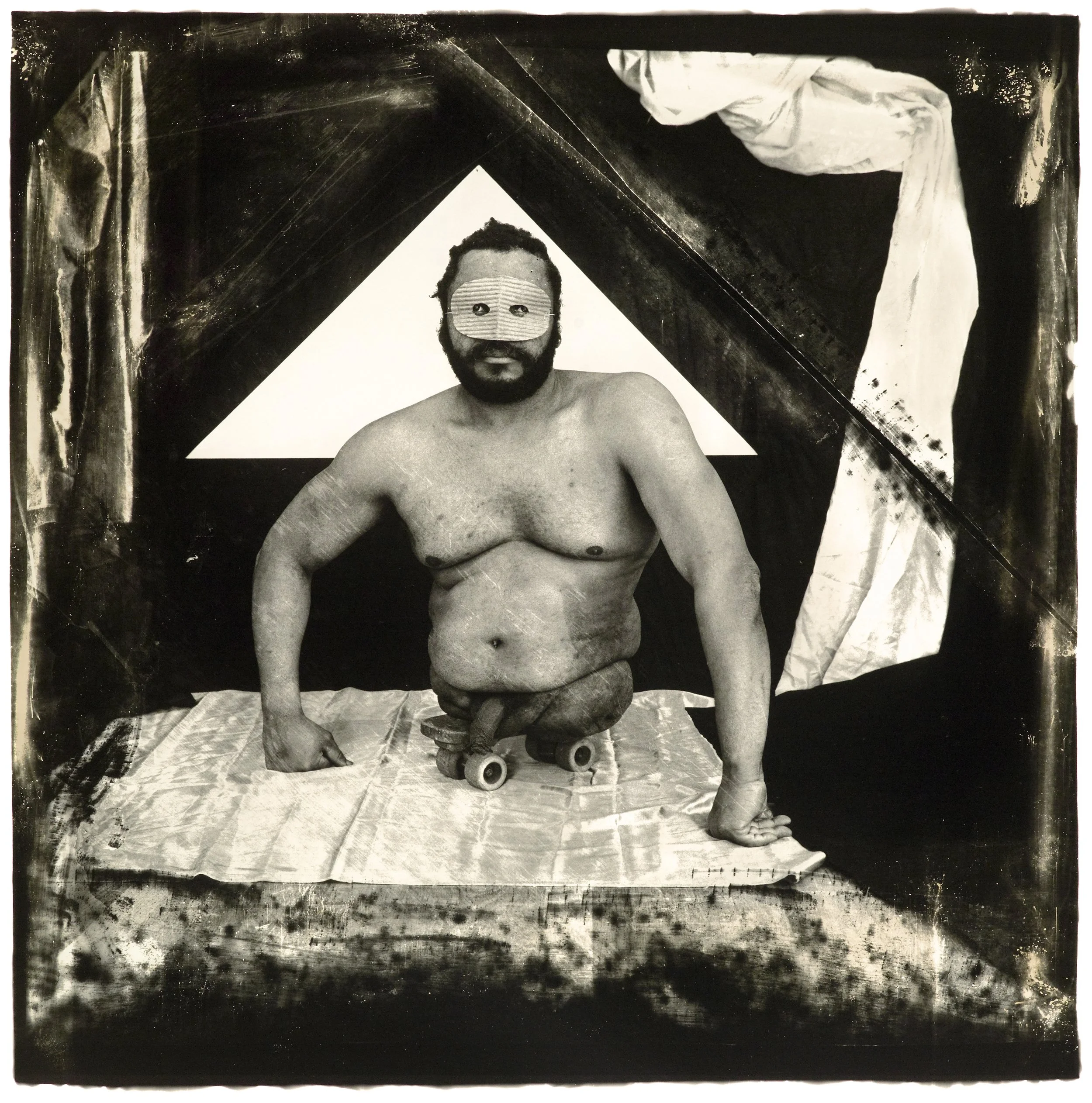
Man without Legs, 1984 © Joel-Peter Witkin
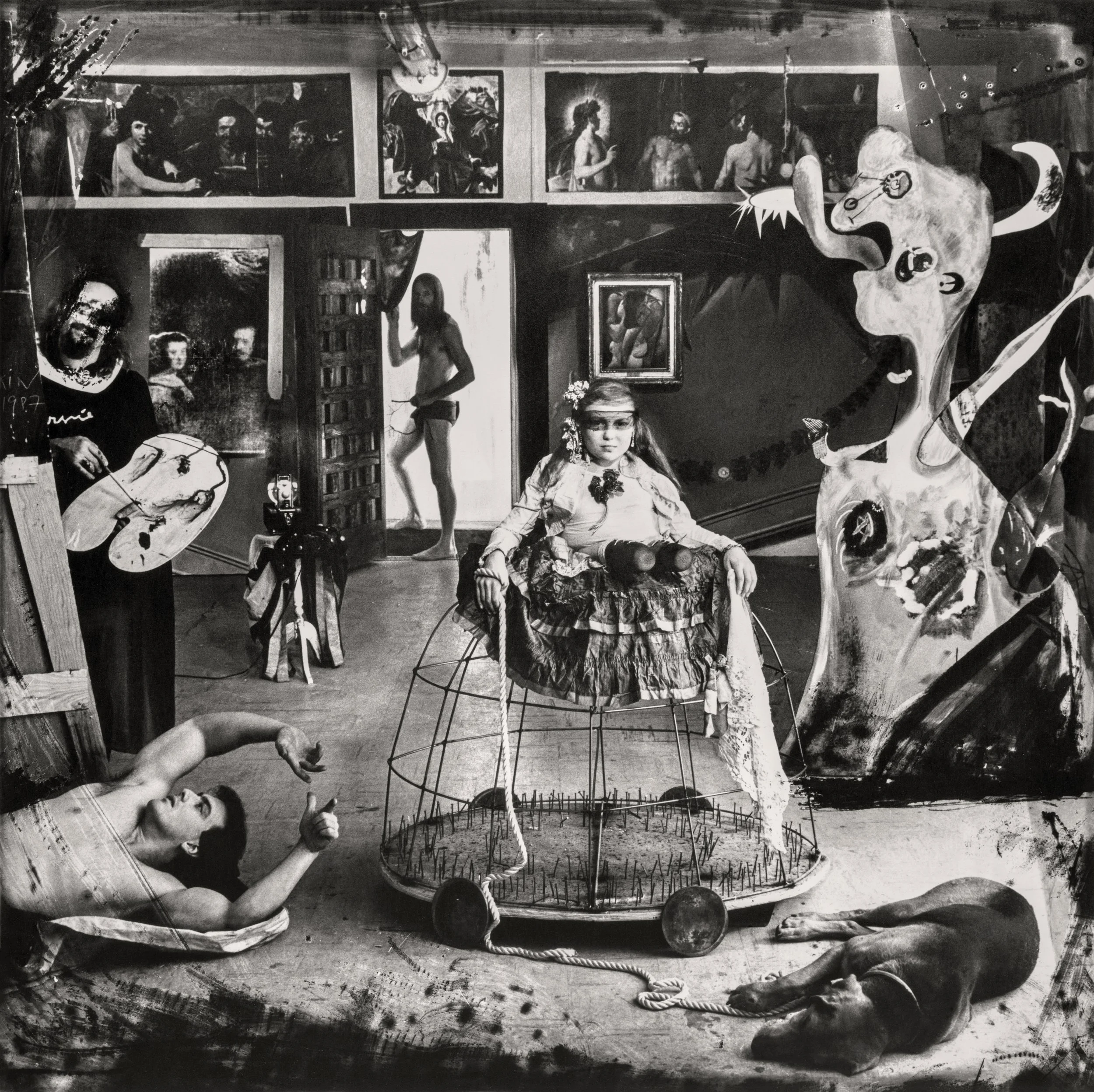
Las Meninas, New Mexico, 1987 © Joel-Peter Witkin
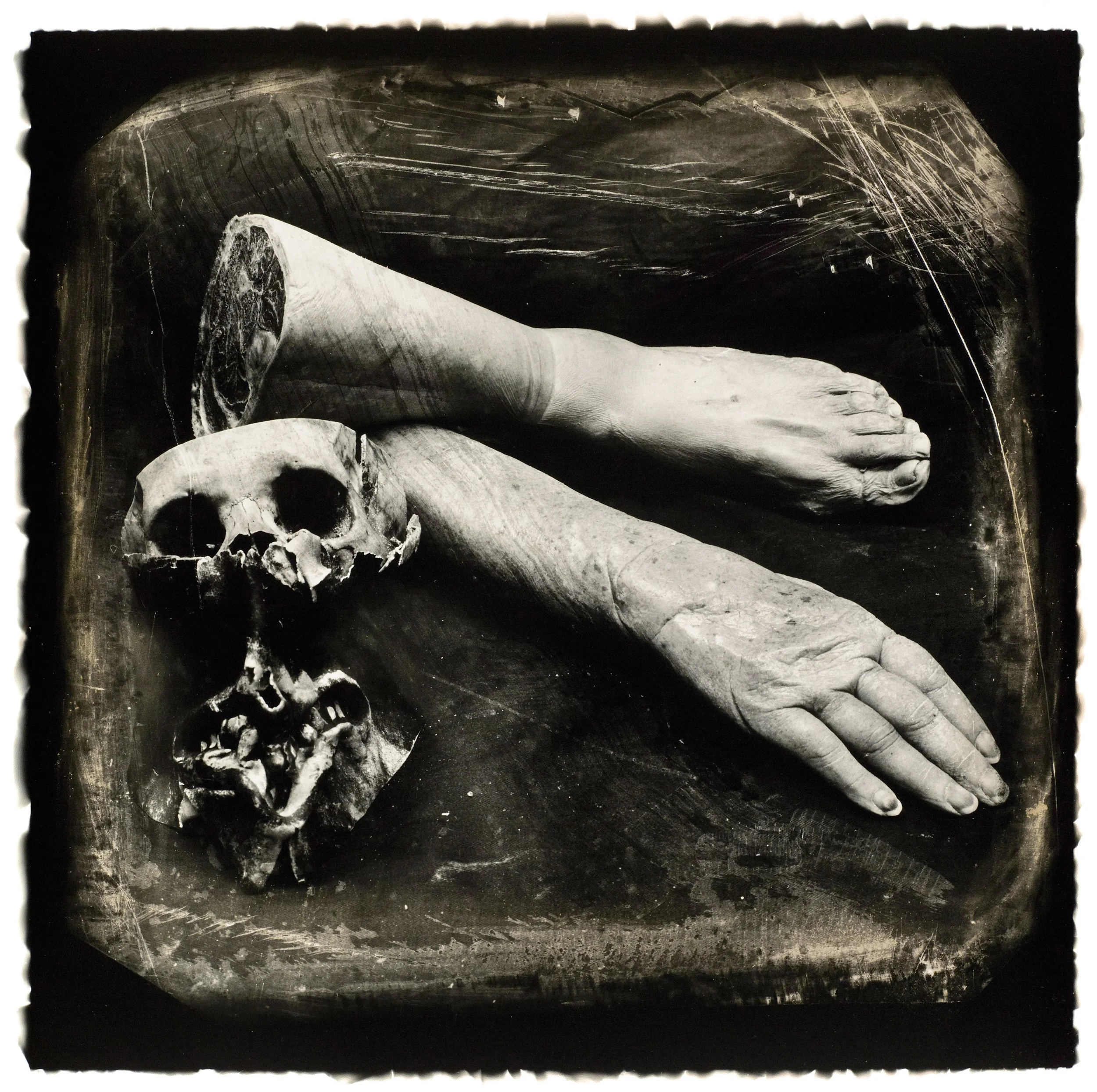
Poet: from a Collection of Relics and Ornaments (Berlin), 1996 © Joel-Peter Witkin
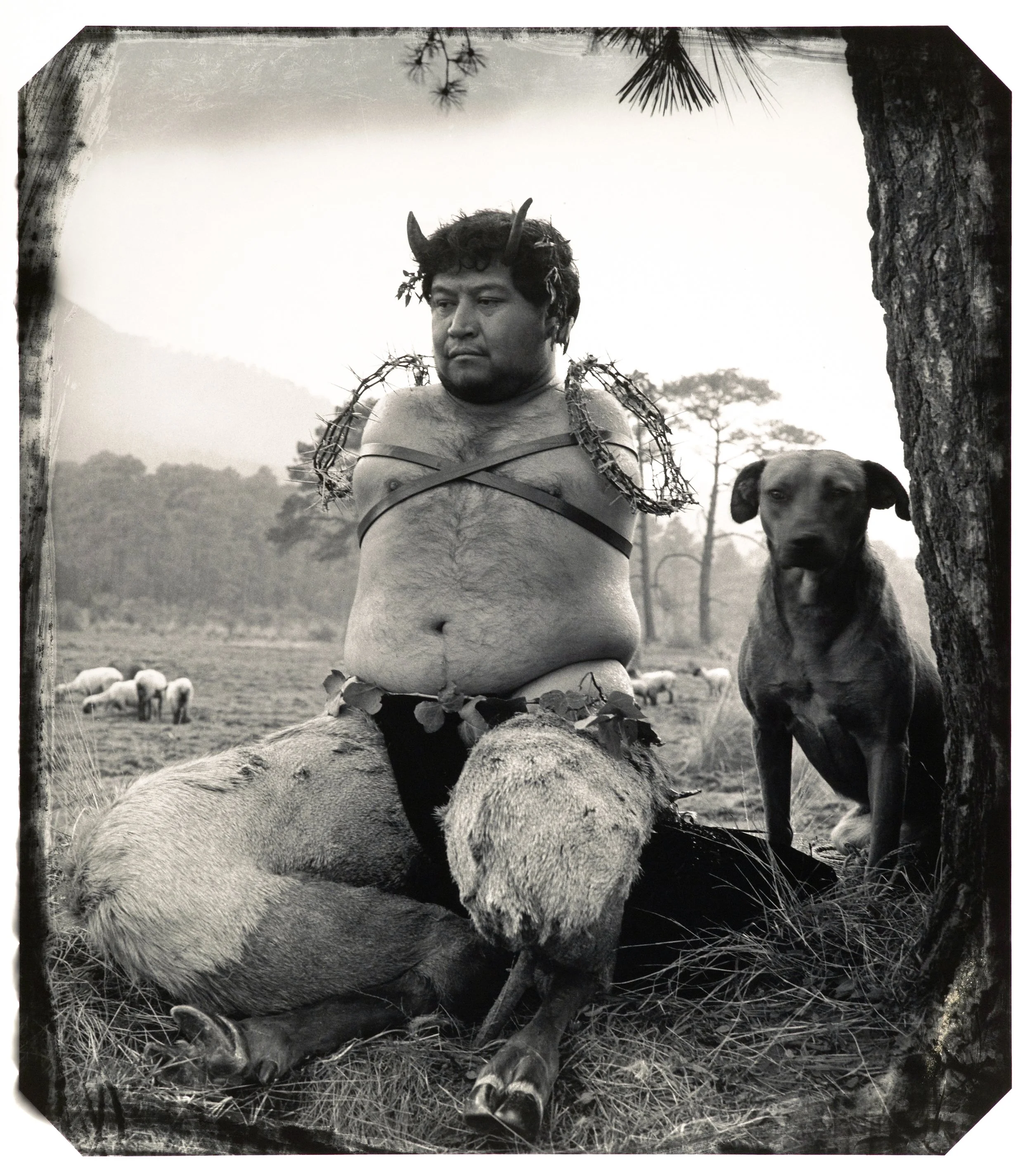
Satiro, 1992 © Joel-Peter Witkin
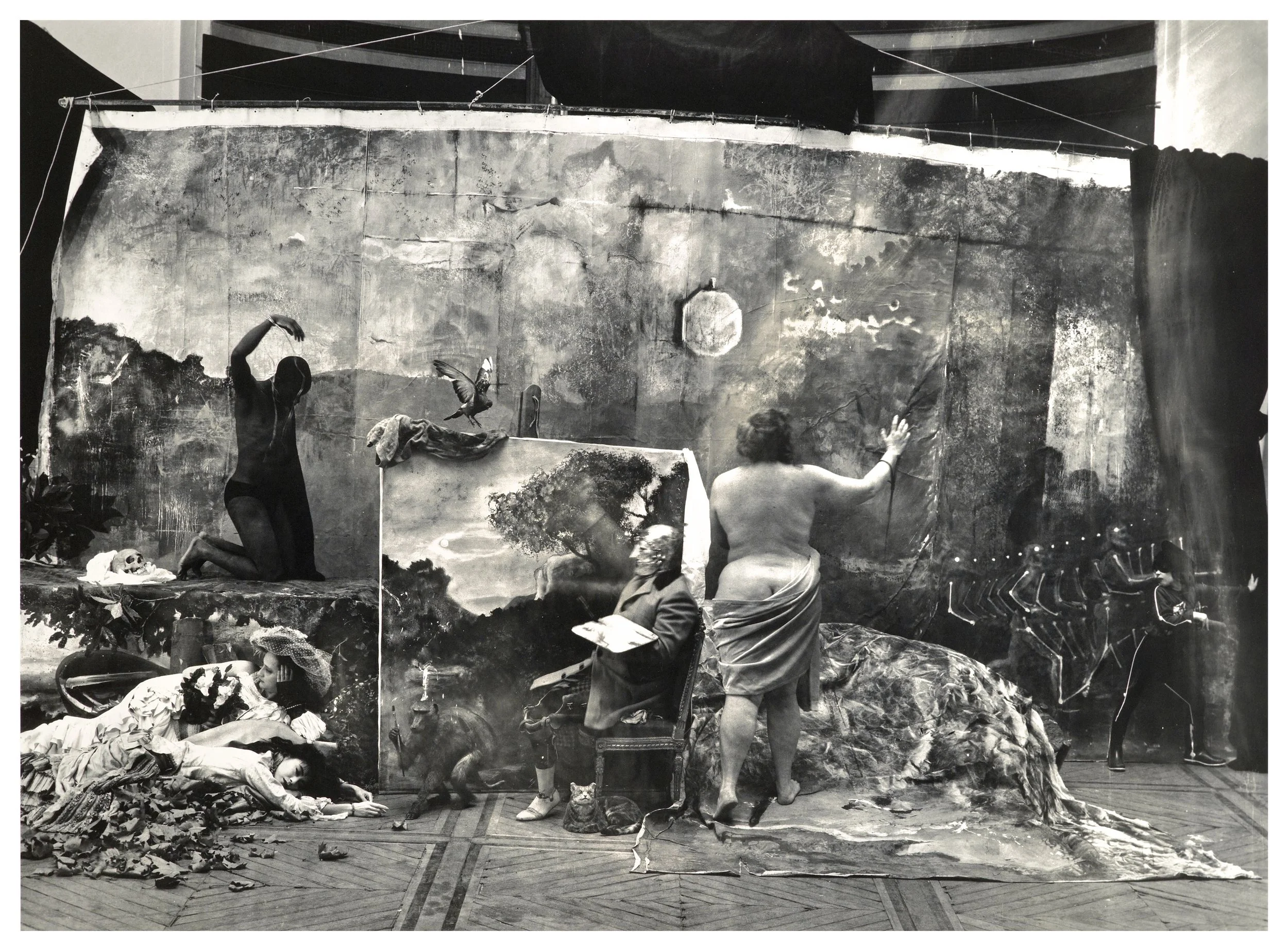
Studio of the Painter: Courbet, Paris, 1990 © Joel-Peter Witkin
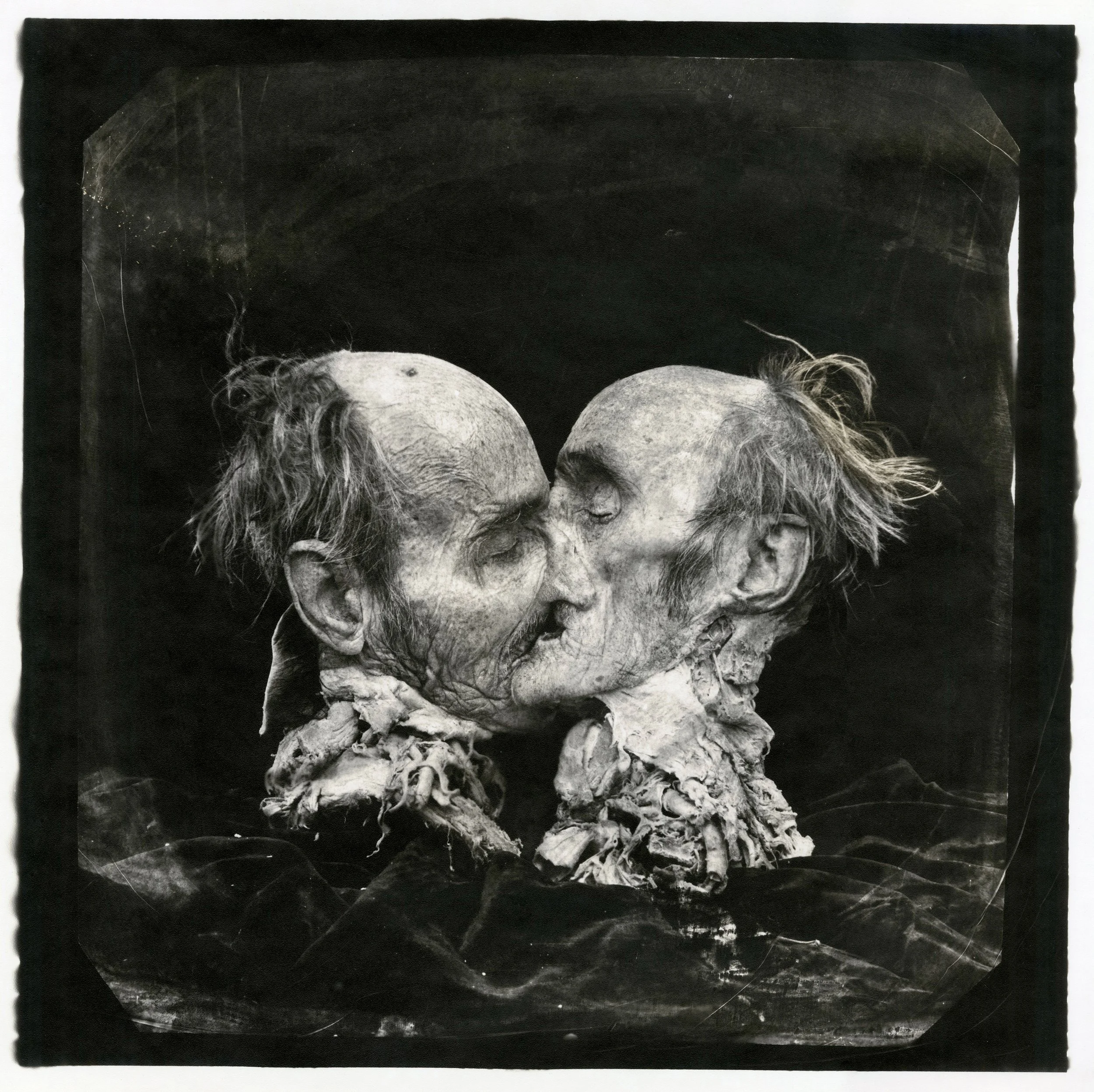
The Kiss, 1982 © Joel-Peter Witkin
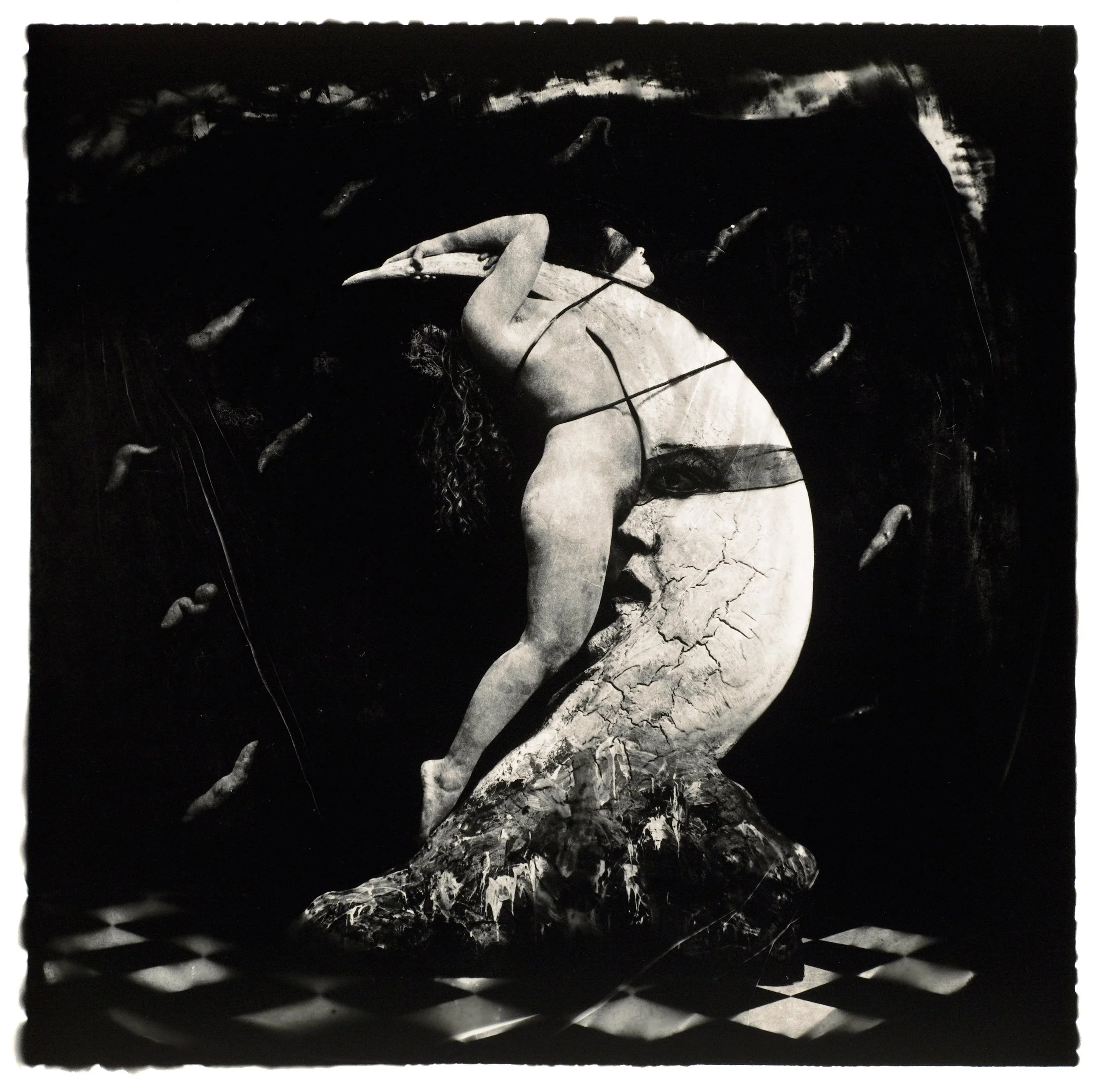
Woman Masturbating on the Moon, 1982 © Joel-Peter Witkin
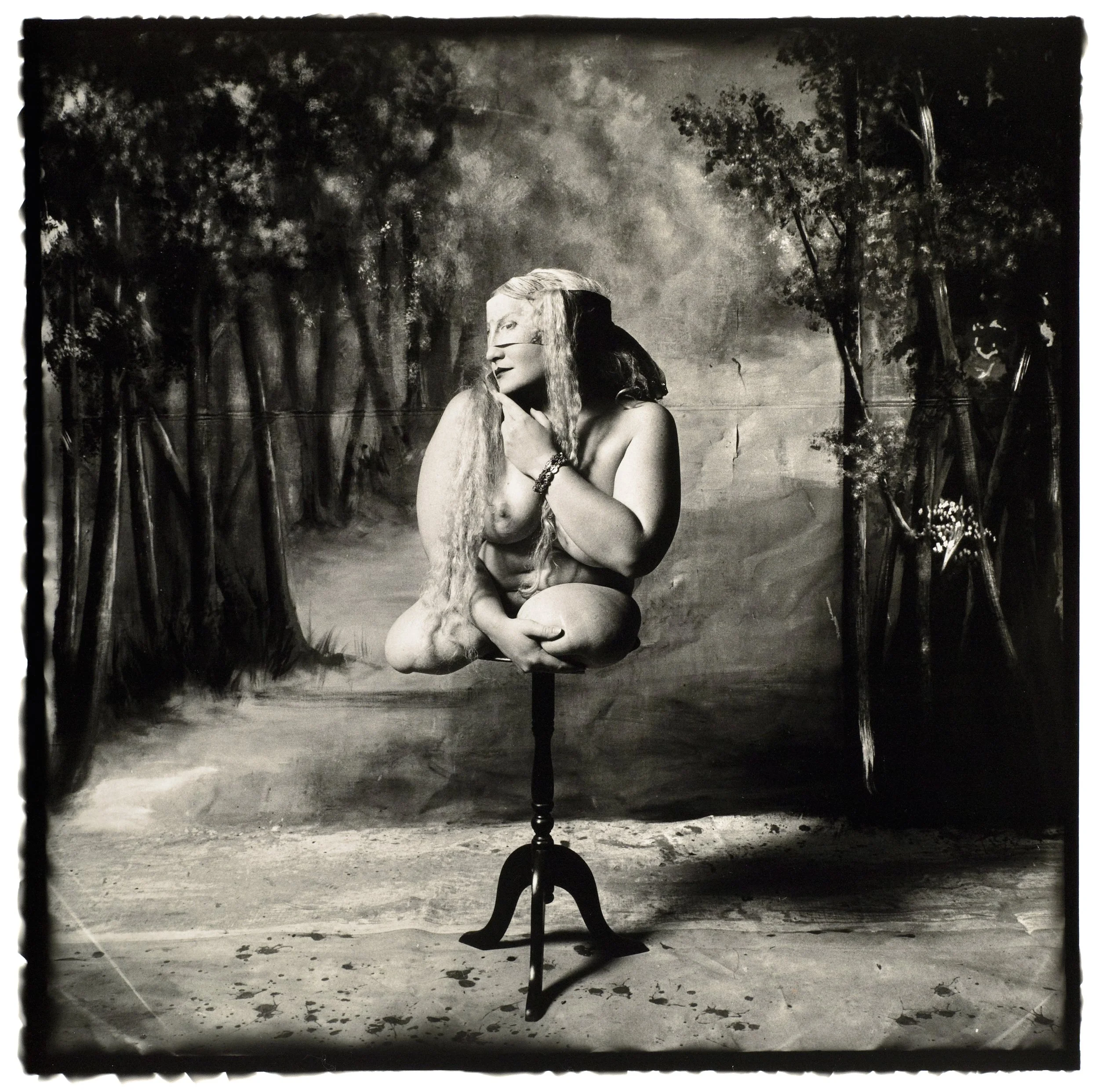
Woman On A Table, NM, 1987 © Joel-Peter Witkin
Witkin has been the subject of numerous books and major exhibitions internationally. His work was the focus of a retrospective at the Solomon R. Guggenheim Museum in New York in 1996, and he has exhibited at institutions including the San Francisco Museum of Modern Art, the National Gallery of Canada, the Bibliothèque Nationale de France, the Israel Museum, the Museum of Contemporary Photography in Chicago, and the Museum of Modern Art in Haifa. His work was also included in the Louvre Museum exhibition Les Choses in 2022. MoMA has included Witkin in its exhibition history since the late 1950s and lists him as an American artist born in 1939.
Witkin has received numerous honors, including four photography fellowships from the National Endowment for the Arts. France named him Chevalier de l’Ordre des Arts et des Lettres in 1990 and Commandeur des Arts et des Lettres in 2000. His photographs are held in major public collections worldwide, including the Museum of Modern Art in New York, San Francisco Museum of Modern Art, National Gallery of Art in Washington, Centre Pompidou in Paris, Victoria and Albert Museum in London, Museo Nacional Centro de Arte Reina Sofía in Madrid, Getty Museum in Los Angeles, Stedelijk Museum in Amsterdam, and Metropolitan Museum of Art in New York.
Joel-Peter Witkin lives and works in Albuquerque, New Mexico.

Photo Credit: HOF Inductee: ©Edward Burtynsky
Join Our Mission.
Joining the International Photography Hall of Fame is an unparalleled opportunity to immerse yourself in a global community of passionate photographers and enthusiasts. As a member, you gain exclusive access to a wealth of resources, including workshops and networking events designed to inspire and elevate your craft.
By joining us, you become an integral part of our mission to celebrate photography's artistry, innovation, and impact on a global scale. Whether you're a seasoned professional or an avid enthusiast, your membership empowers you to connect with like-minded individuals, explore new perspectives, and contribute to photographic excellence.