
Fazal Sheikh
About
Fazal Sheikh has devoted his career to creating deeply considered portraits of people living in displaced and marginalized communities around the world. Working through long-term relationships with the people and places he photographs, Sheikh approaches portraiture as an act of mutual engagement, combining photographs with personal narratives, archival materials, writing, and sound. His work gives intimate form to the experiences of communities affected by displacement, conflict, inequality, and political upheaval, while challenging the assumptions and prejudices that often shape how those communities are seen. Through an expansive body of books, exhibitions, and freely distributed publications, Sheikh has established photography as both a means of bearing witness and a way of creating lasting human connections.
Born in 1965
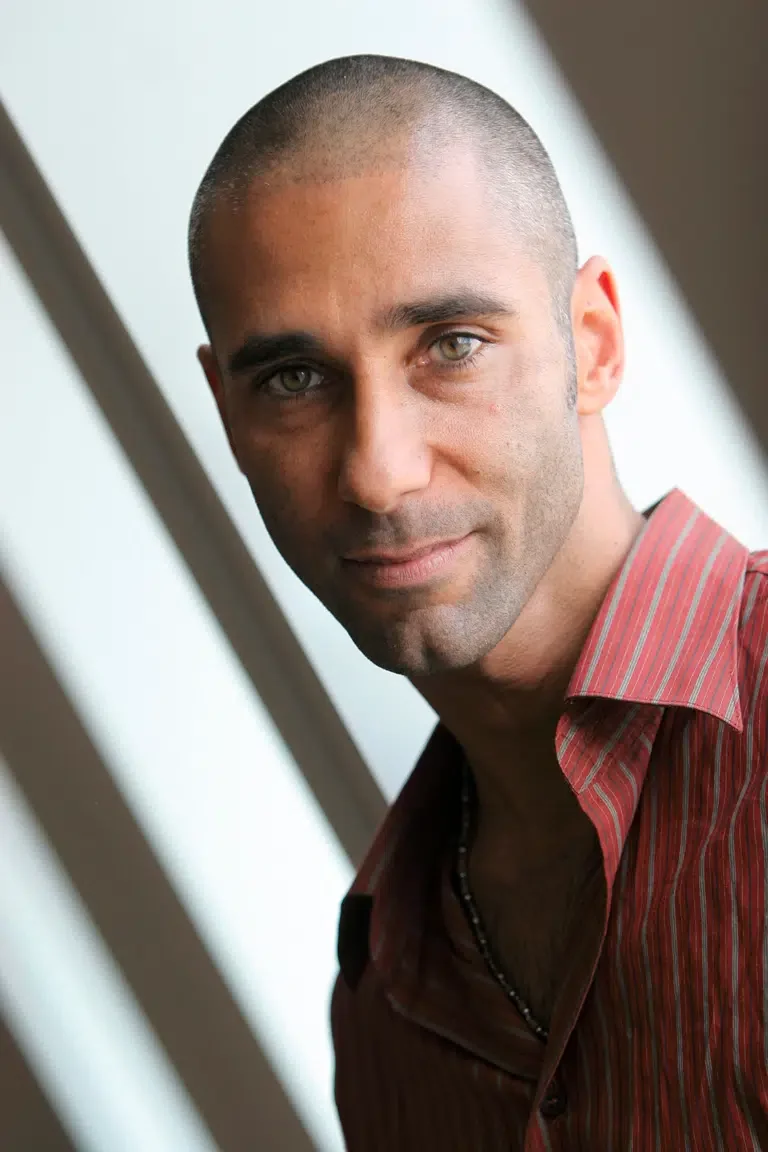
Fazal Sheikh will receive the IPHF Visionary Award from the International Photography Hall of Fame at a Ceremony at the Indy Arts Center, October 3, 2026
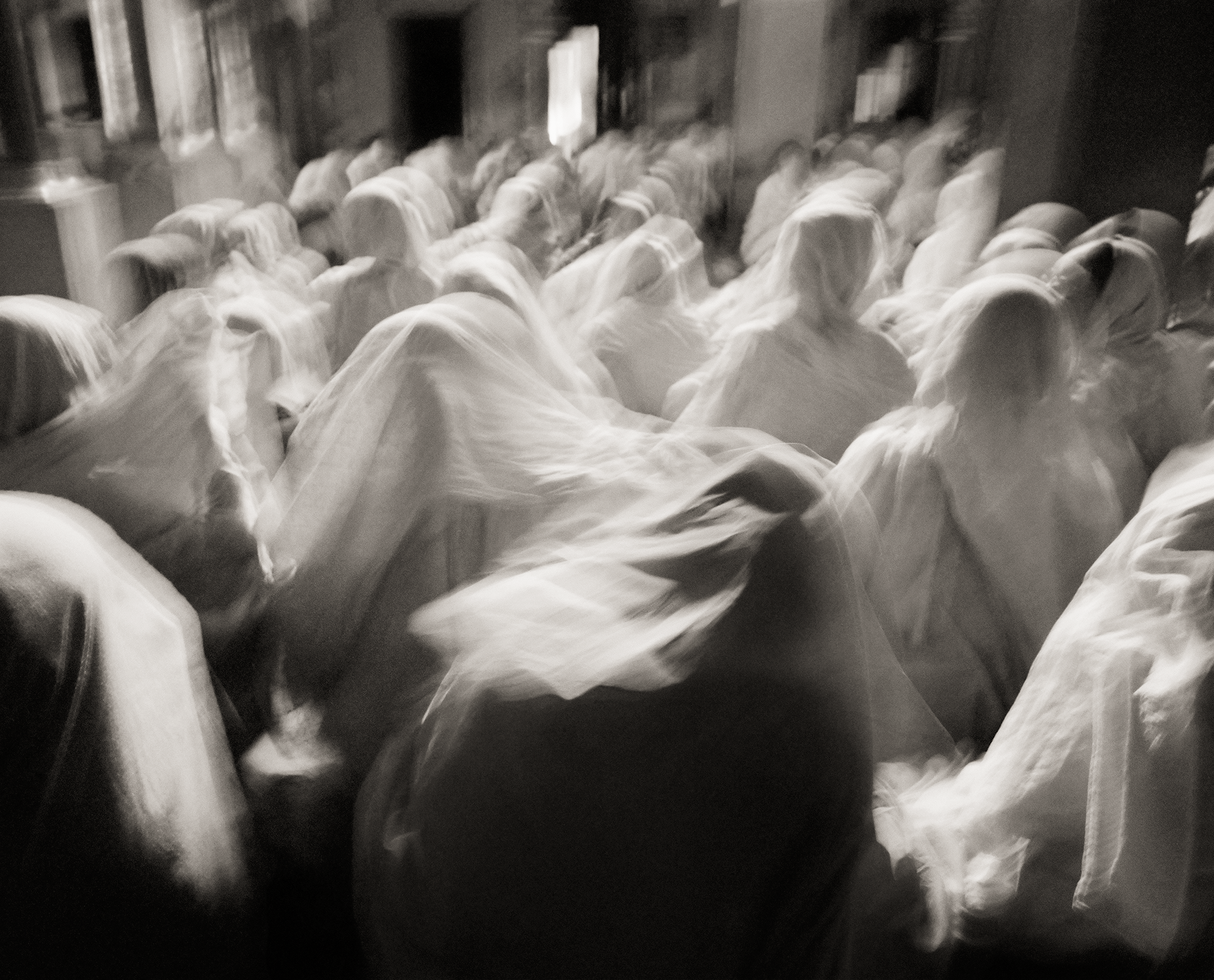
Bhajan Ashram, Vrindavan, India, 2005 © Fazal Sheikh
Fazal Sheikh was born in New York City in 1965 to an American mother and Kenyan father. His paternal grandfather, Sheikh Fazal Ilahi, traveled from northern India, now Pakistan, to Kenya and settled in Nairobi in 1912. Although Sheikh was educated in the United States and studied at Princeton University, he spent summers with his father’s relatives in Nairobi, learning Swahili and experiencing a culture very different from his own. These experiences fostered a respect for different traditions and an awareness of social and economic inequalities that would become central to his work.
After graduating from Princeton in 1987, Sheikh traveled to South Africa and visited the homelands, areas to which Black South Africans had been forcibly deported under apartheid. The experience taught him the importance of approaching unfamiliar communities without assumptions and allowing understanding to develop over time.
In 1990, Sheikh returned to Kenya, where conflicts in Ethiopia, Sudan, and Somalia had forced thousands of people into refugee camps in eastern Kenya. He remained in the camps and began making the intimate portraits that would define his approach to photography. Over the next several years, he also worked in refugee camps in Malawi and Tanzania. The resulting photographs were published in his first book, A Sense of Common Ground (1996).
Sheikh continued this work in Afghanistan, photographing Afghan refugees living along the border with Pakistan from 1995 to 1998. He made portraits, recorded personal histories, and listened to the experiences of people displaced by decades of conflict. The work was published as The Victor Weeps (1998). Following the beginning of the U.S. bombing campaign in Afghanistan in 2001, he published When Two Bulls Fight, the Leg of the Calf Is Broken, distributing tens of thousands of copies through humanitarian organizations, cultural institutions, and the media.
His work with displaced communities continued in Somalia. Returning to refugee camps in northeastern Kenya in 2000, Sheikh reconnected with people he had photographed nearly a decade earlier and accompanied human-rights worker Fauzia Musse as she recorded testimonies from women who had experienced sexual violence. Their stories were brought together with his portraits in A Camel for the Son (2001), which he distributed free of charge through his International Human Rights Series imprint. A companion volume, Ramadan Moon (2001), focused on a Somali woman living in an asylum seekers’ center in Amsterdam.
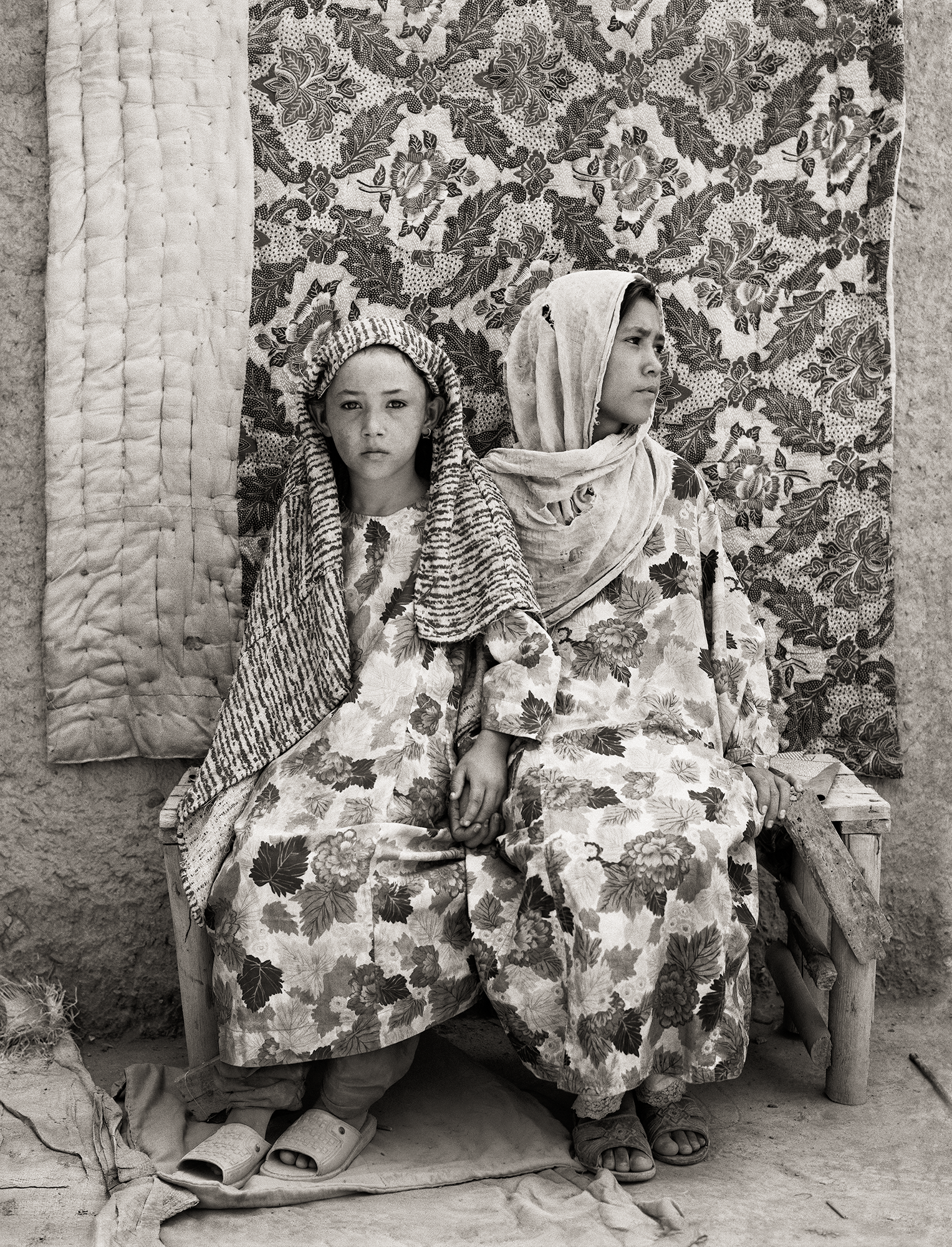
Sisters, Sima and Shahima, Afghan refugee village, Nasir Bagh, northwestern frontier province, Pakistan, 1996 © Fazal Sheikh
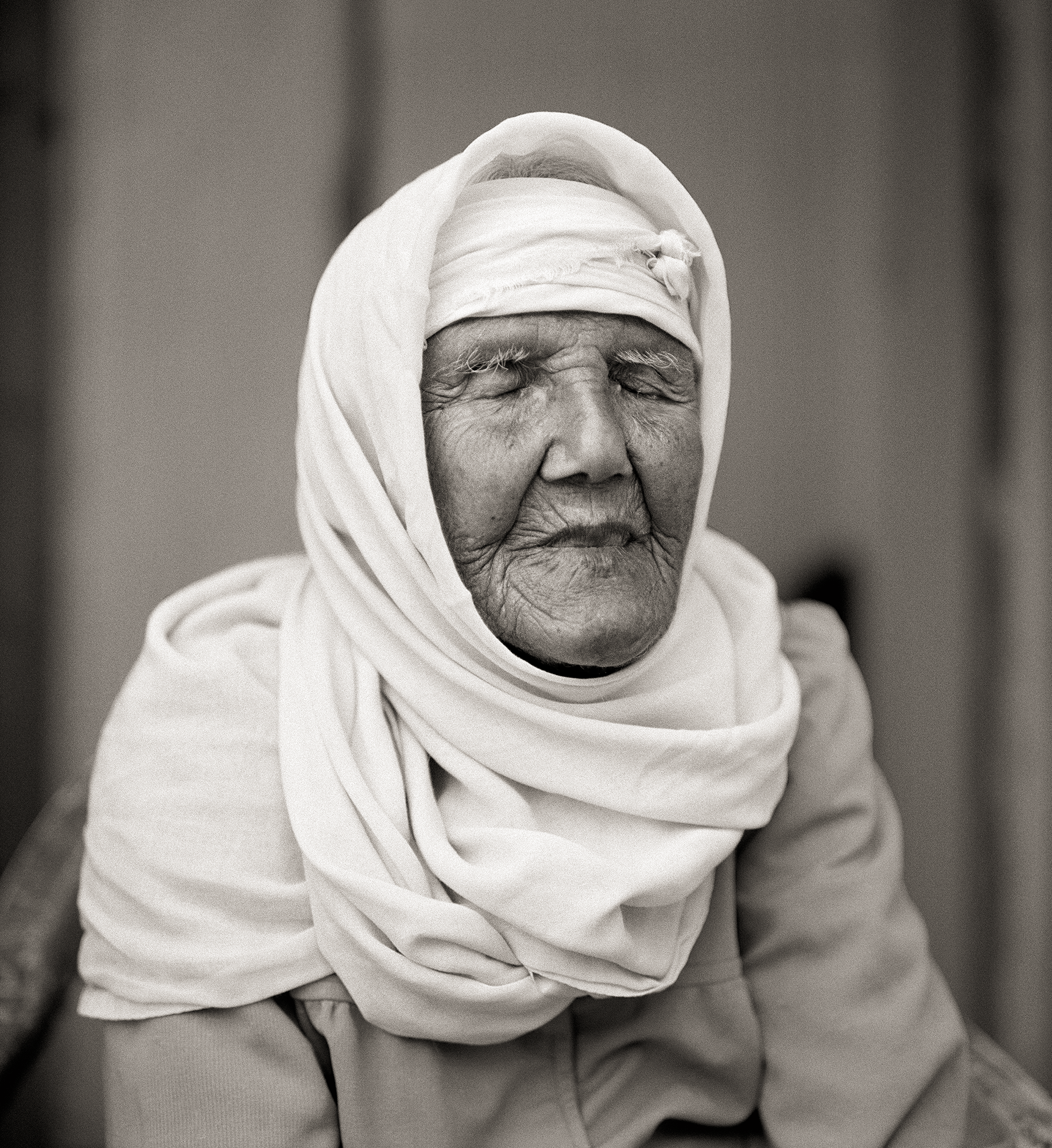
Anisa Aḥmad Jāber Maḥamīd, born in al-Lajjūn, Jenīn District in 1908, Umm el-Fahem, 2014 © Fazal Sheikh
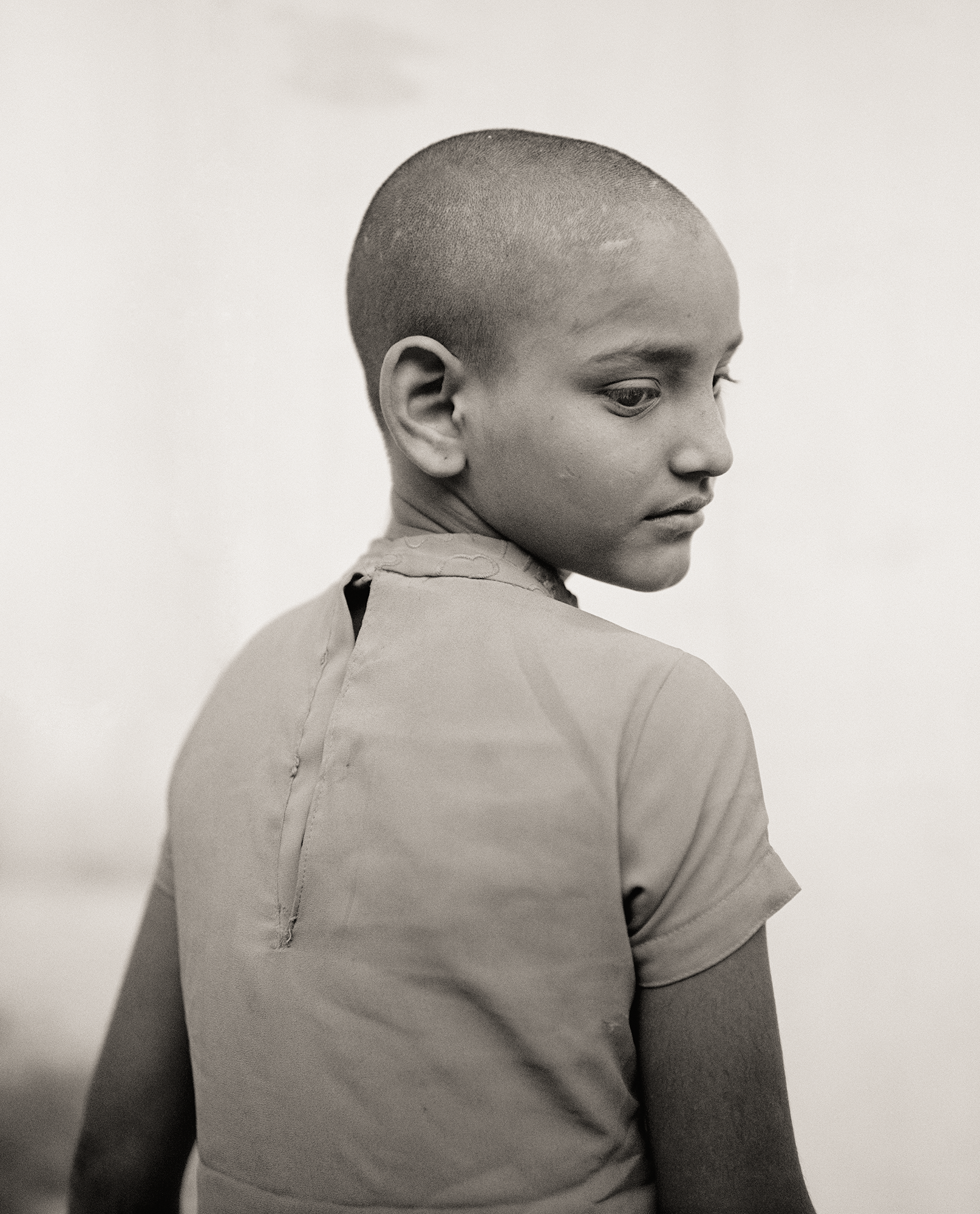
Simran, Delhi, India, 2007 © Fazal Sheikh
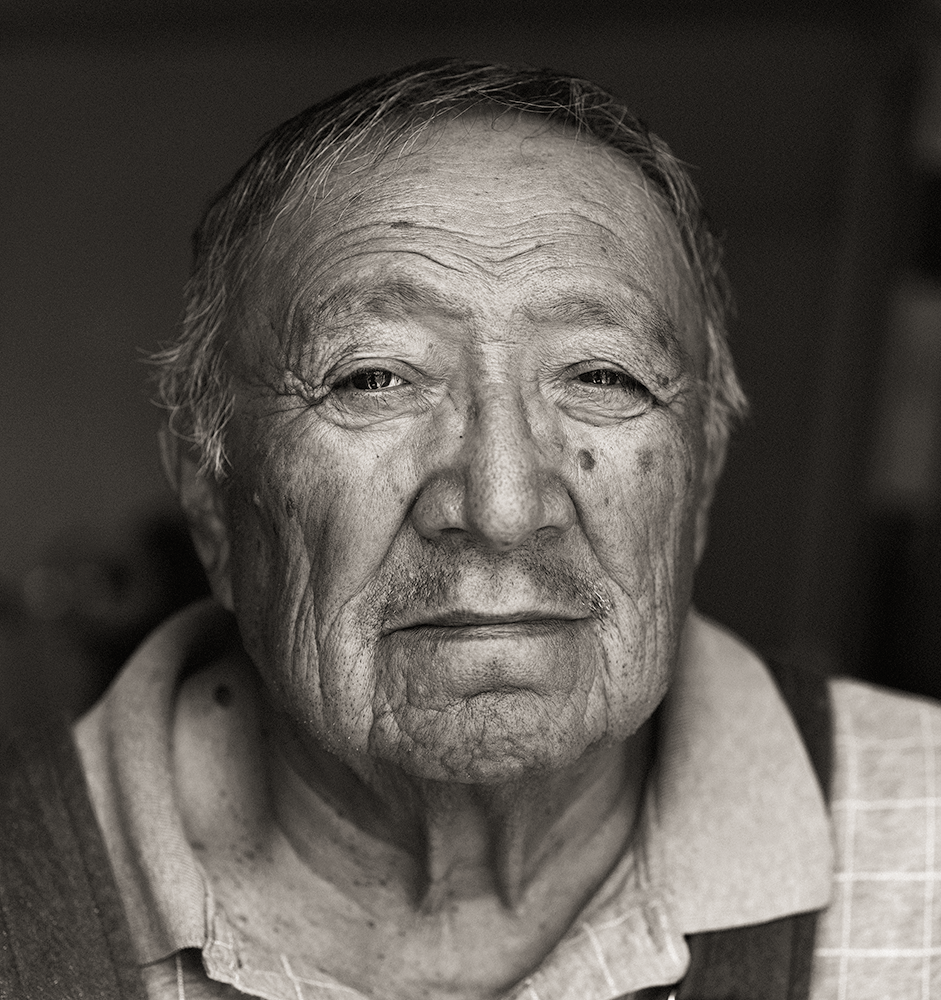
Jonah Yellowman, Spiritual Advisor to the Utah Diné Bikéyah, Cane Valley/Monument Valley, Navajo Nation, 2022 © Fazal Sheikh
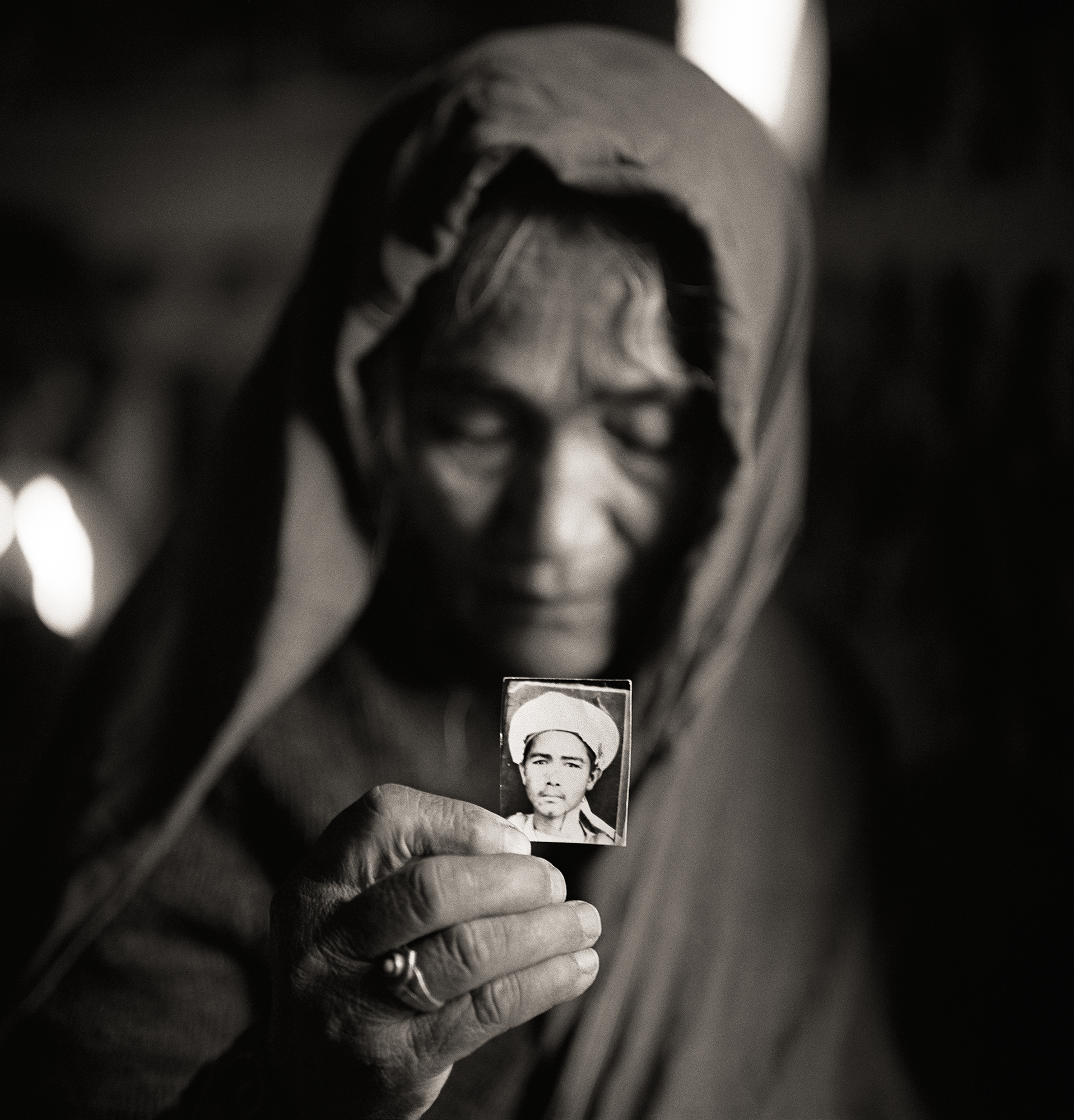
Qurban Gul Holding a Photograph of Her Son Mula Awaz, Khairabad, Northern Pakistan, 1998 © Fazal Sheikh
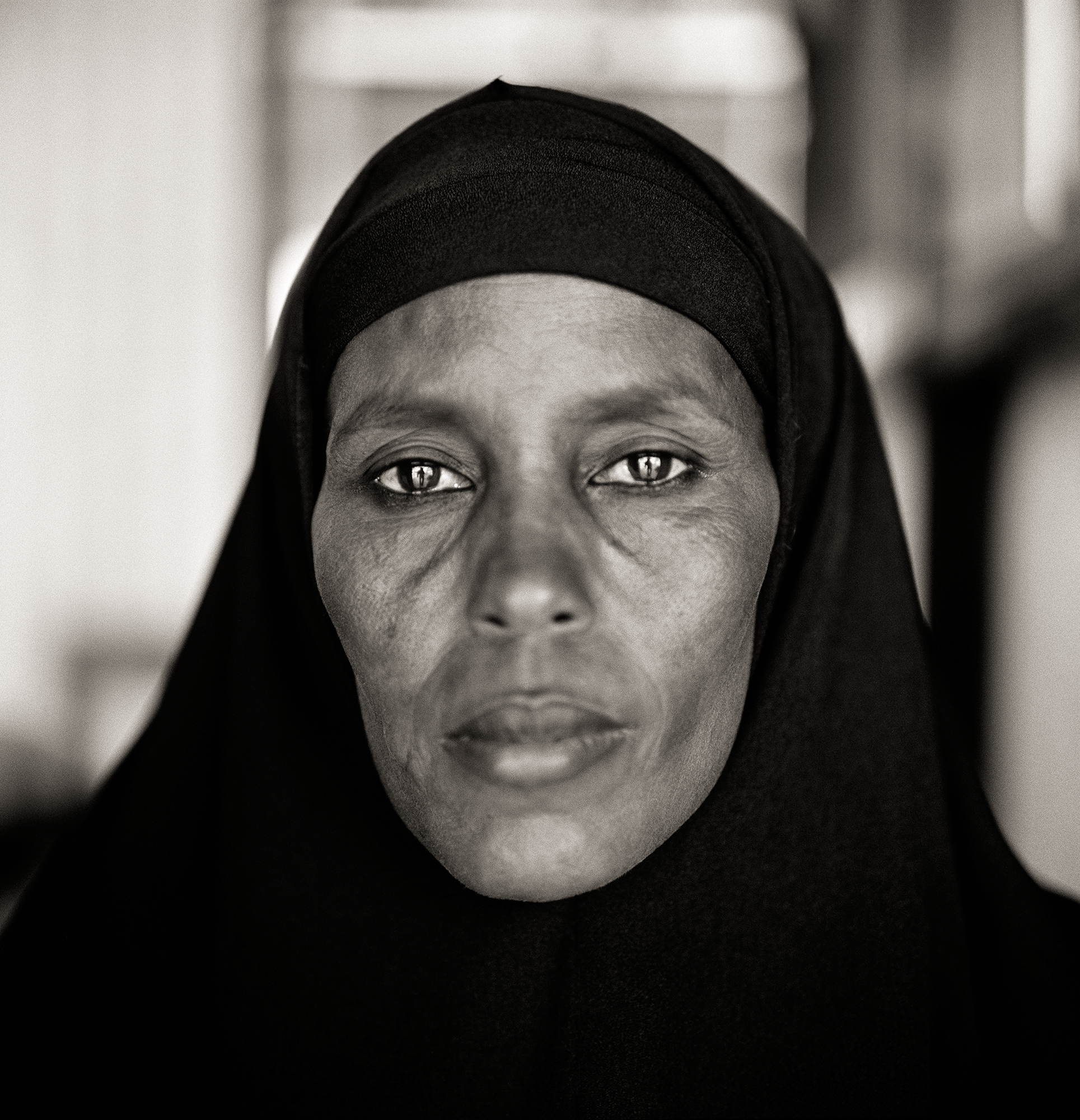
Abshiro Aden Mohammed, Women's Leader. Somali refugee camp, Dagahley, Kenya, 2000 © Fazal Sheikh
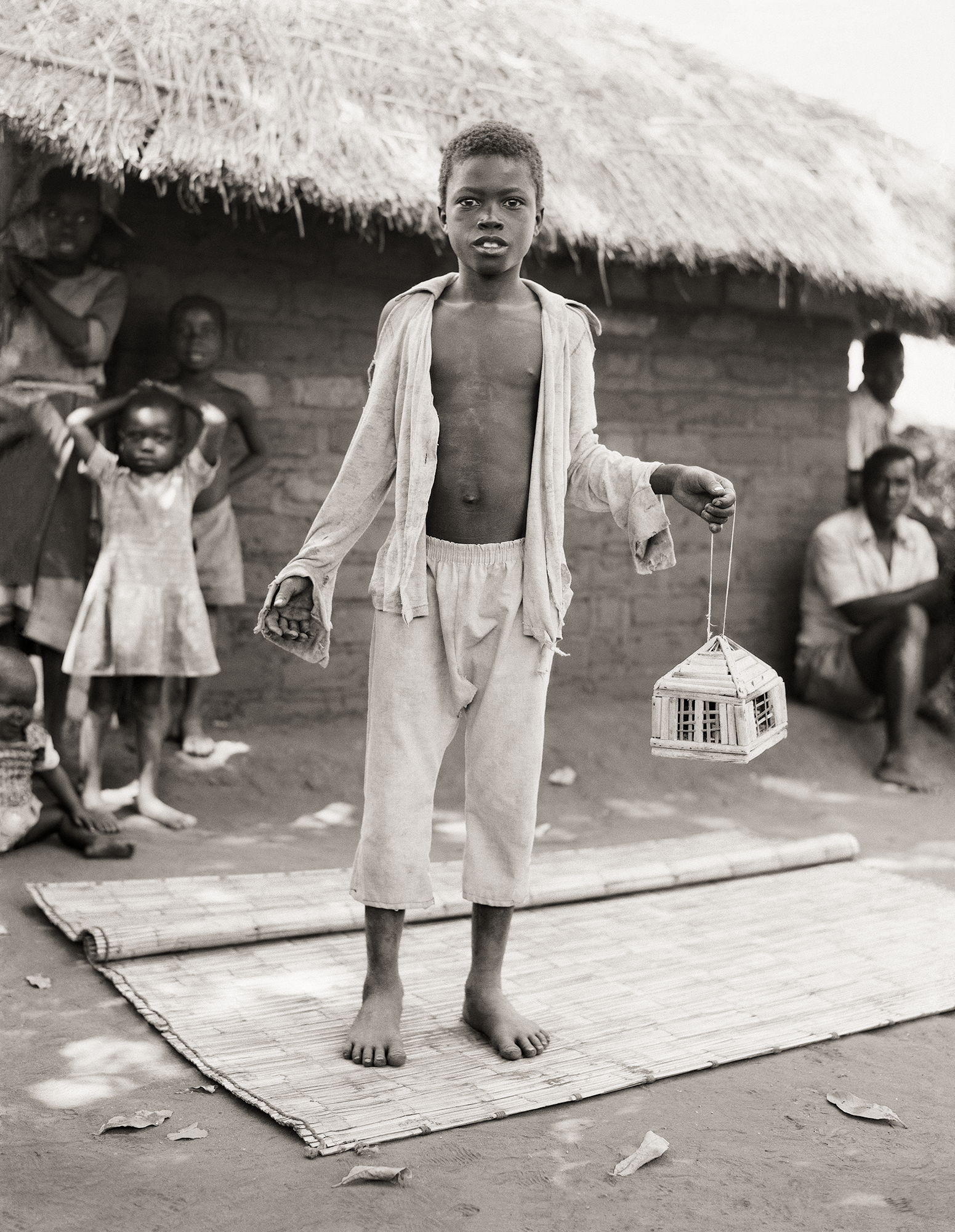
Toni Matayo © Fazal Sheikh
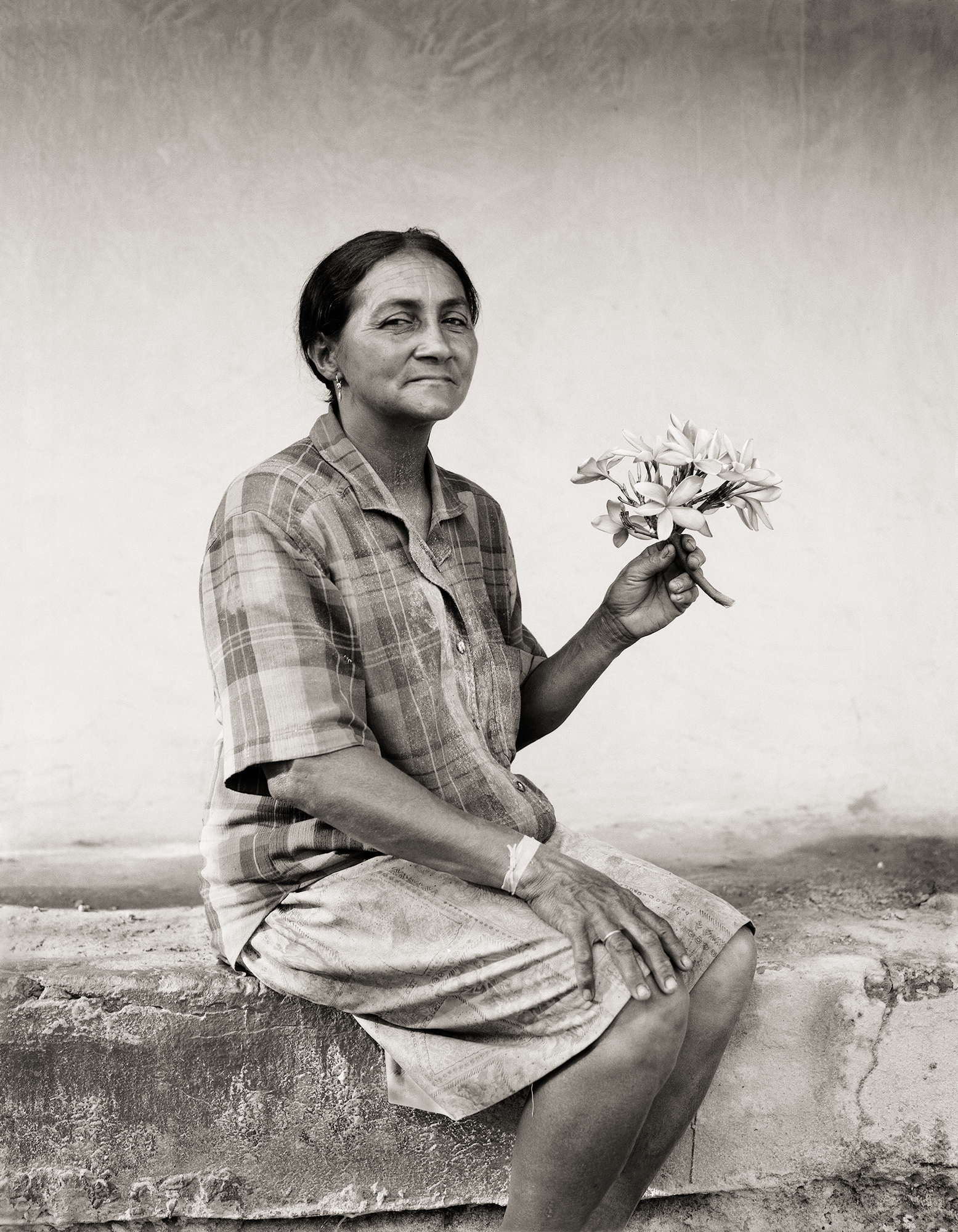
Dona Antonia, Grande Sertão Veredas, Brazil, 2002 © Fazal Sheikh
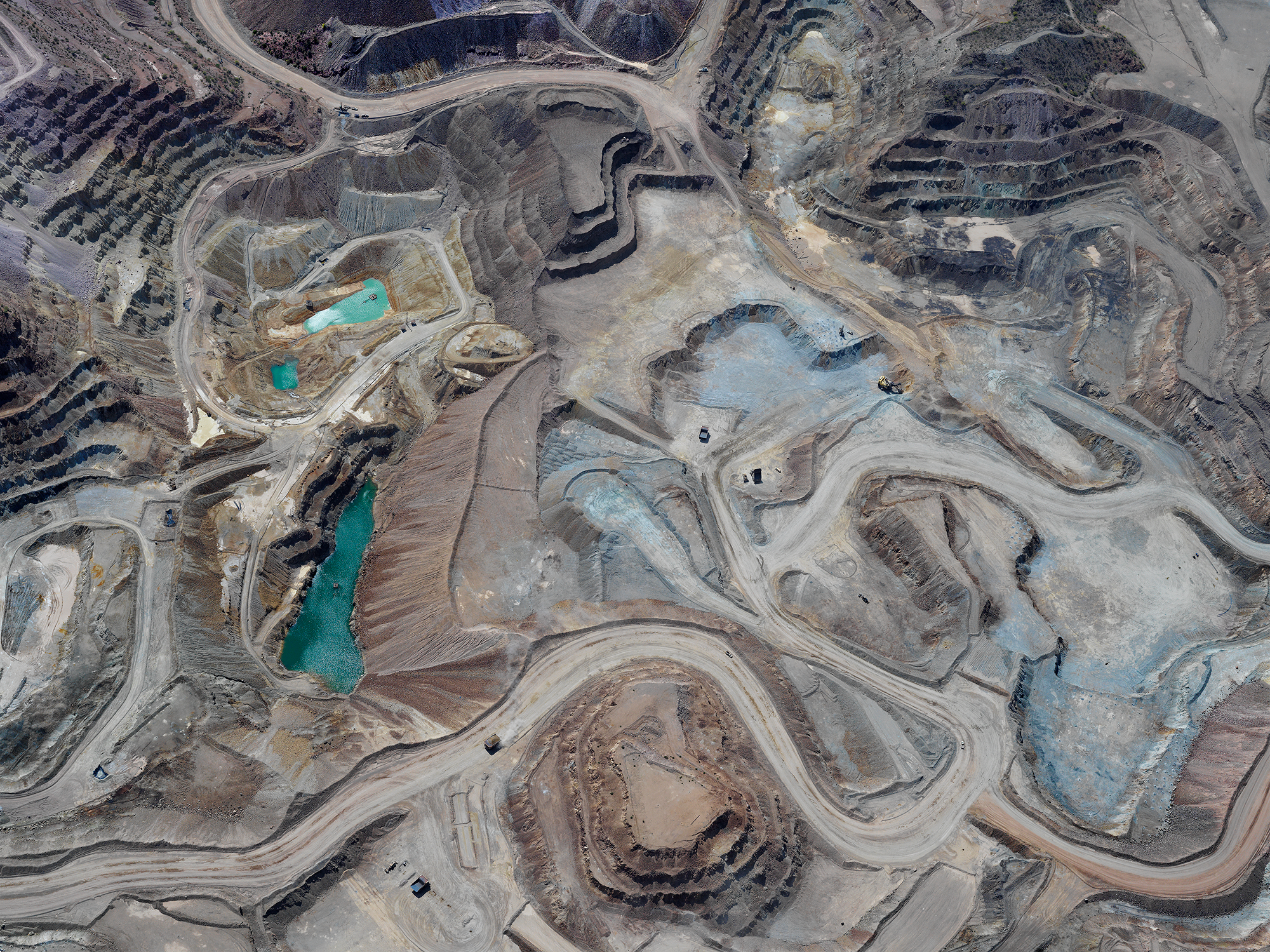
Silver Bell Mine, Arizona © Fazal Sheikh
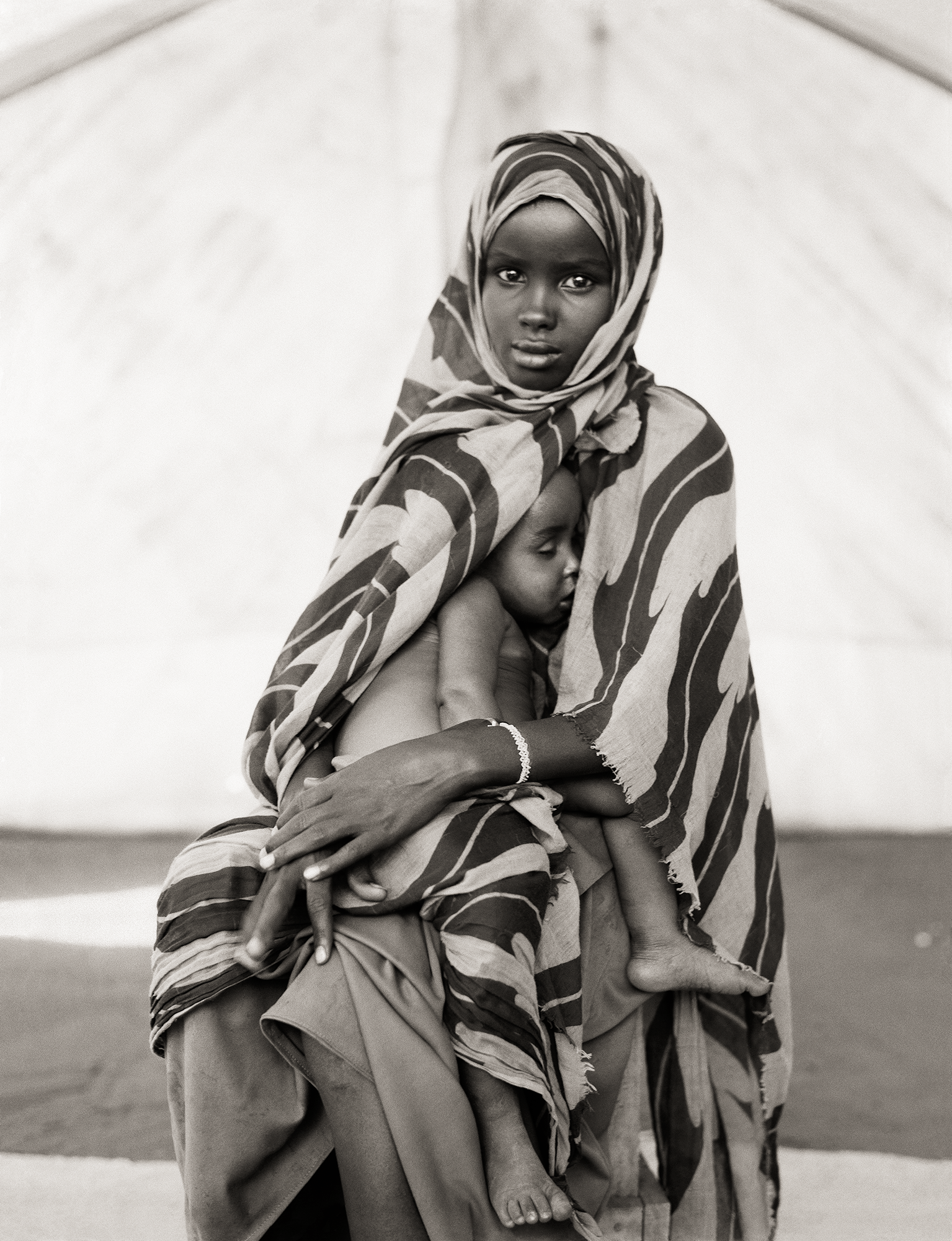
Jamaa Abdullai and Adan, Somali Refugee Camp, Mandera, Kenya, 1993 © Fazal Sheikh
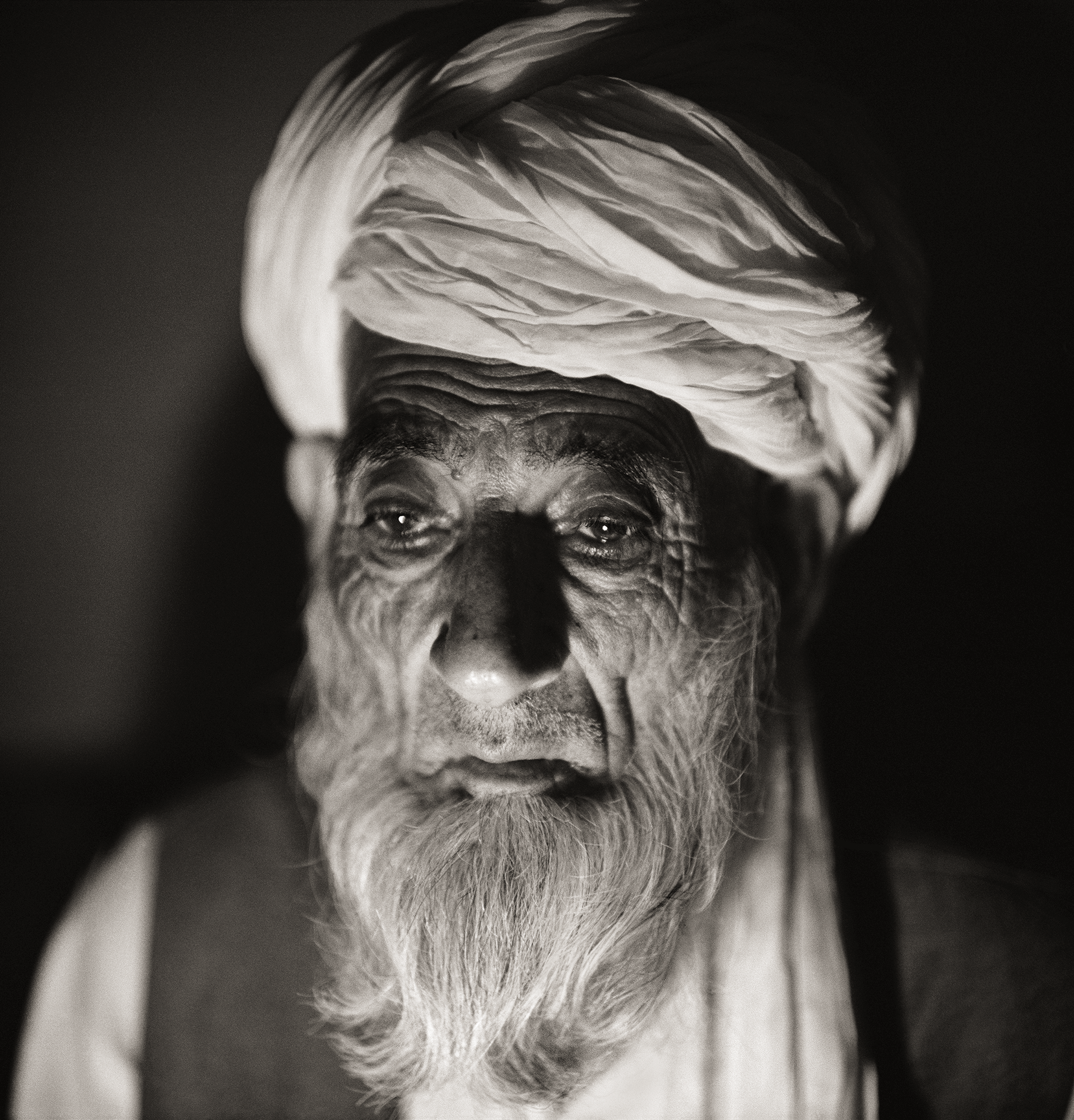
Rohullah, from The Victor Weeps Series © Fazal Sheikh
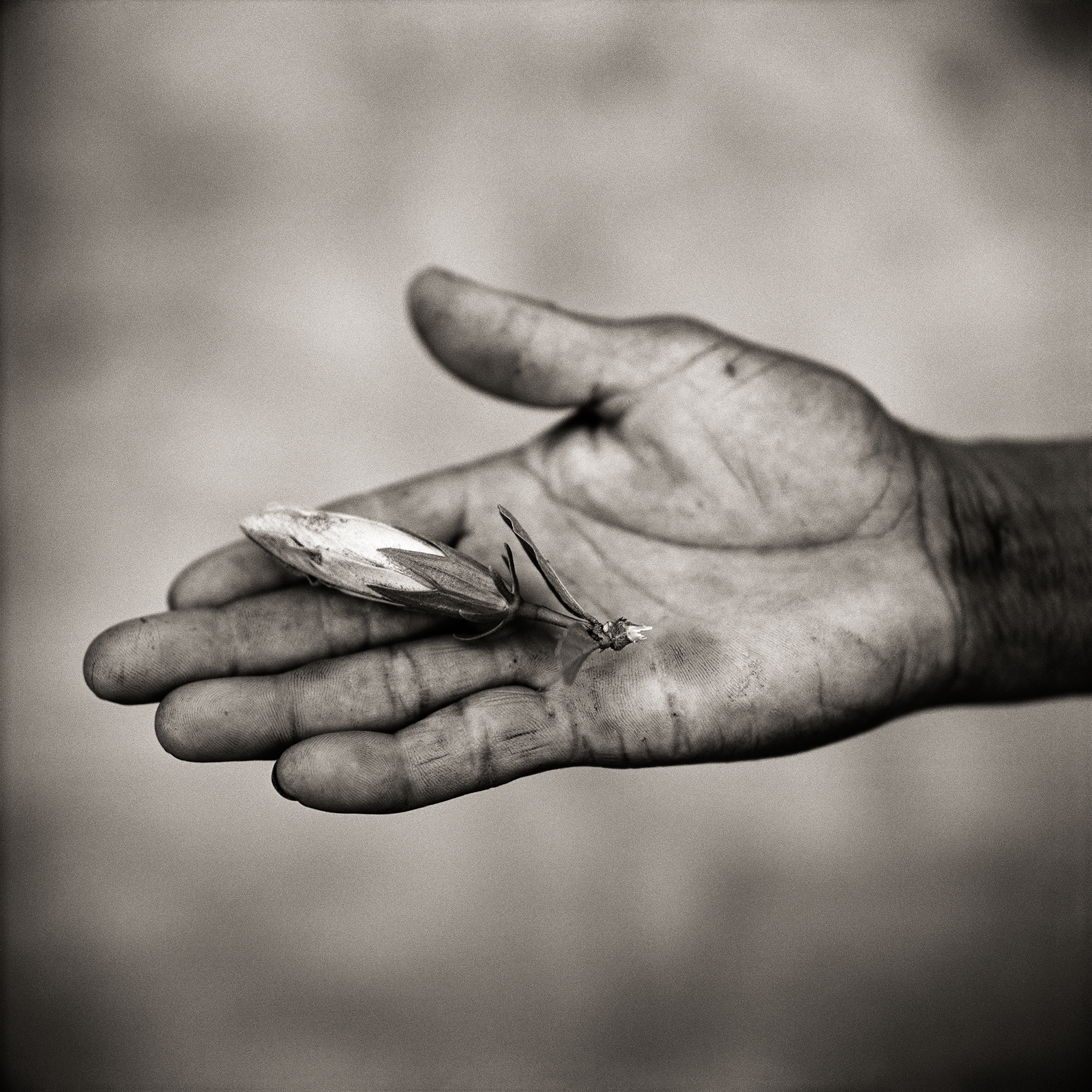
The "Hope" Grasshopper. Dona Antônia's Wish-Ribbon Bracelet. Five Centuries Work the Land at Black River., 1999 © Fazal Sheikh
Sheikh’s projects subsequently expanded to Latin America and India. In Brazil, he photographed migrant workers in the Grand Sertão Veredas National Park. For the National Millennium Survey, he photographed and recorded the stories of Mexican migrants crossing into the United States, work published as Visions of Passage (2002). He also contributed to Cuba on the Verge (2003), exploring spirituality and Santería in Cuban life.
From 2003 to 2013, Sheikh undertook an extensive body of work in India, beginning with women living in Vrindavan, a city that provides sanctuary to thousands of Hindu widows. Over the following decade, he photographed, interviewed, and wrote about inequalities and abuses affecting women in India. The work resulted in four books: Moksha (2005), Ladli (2007), The Circle (2008), and Ether (2013).
In 2010, Sheikh joined This Place, an international photography project examining contemporary Israel and the West Bank. His contribution focused on the displacement and resettlement of Palestinian Arab and Palestinian Bedouin communities. The resulting Erasure Trilogy (2015) comprises Memory Trace, Desert Bloom, and Independence | Nakba. A related volume, The Conflict Shoreline (2015), brought together his aerial photographs of the Negev with research by scholar Eyal Weizman.
Throughout his career, Sheikh has conceived his projects as collaborations extending beyond photography. His books frequently incorporate interviews, essays, archival material, and his own writing, and many are made available as free online editions. His collaboration with writer and artist Teju Cole resulted in Human Archipelago (2018), exploring relationships between individual lives, displacement, conflict, and human connection.
Beginning in 2017, Sheikh developed Exposure, an ongoing project addressing environmental justice in the Red Rock Wilderness surrounding Bears Ears and Grand Staircase-Escalante National Monuments in southern Utah. Working with artists, scientists, engineers, and Indigenous communities, he examined land use, extractive industries, environmental racism, and their effects on Native communities.
During the COVID-19 pandemic, Sheikh collaborated remotely with writer Terry Tempest Williams on The Moon Is Behind Us (2021), a meditation on friendship, isolation, politics, climate, racial division, and the uncertainties of the pandemic.
Across more than three decades, Sheikh has consistently approached photography as a form of engagement rather than simple observation. His work recognizes the individuality of those he photographs while placing their experiences within larger histories of displacement, conflict, inequality, and environmental change. His projects have been published and exhibited internationally, with many made accessible through humanitarian organizations, cultural institutions, and free online editions.
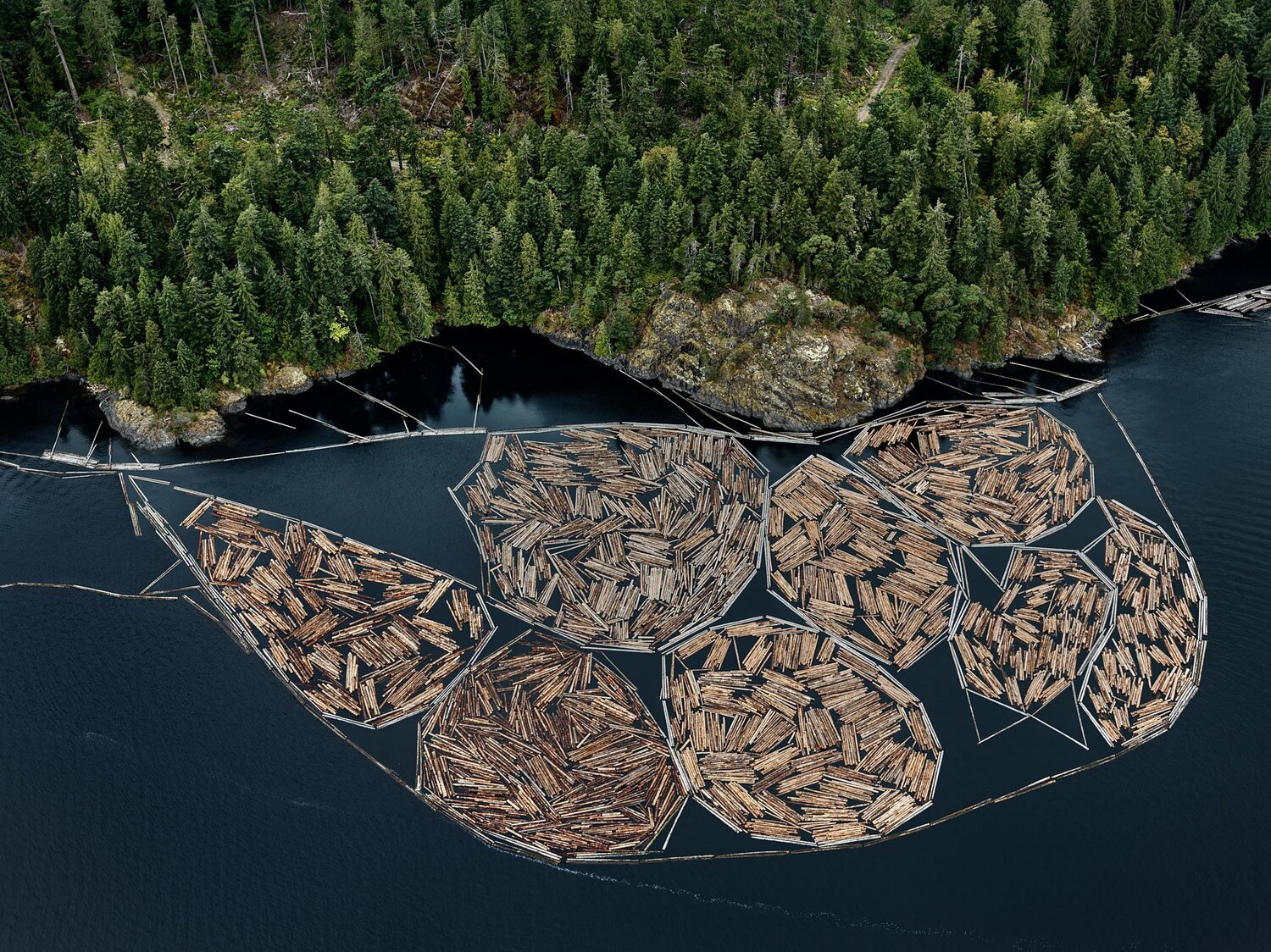
Photo Credit: HOF Inductee: ©Edward Burtynsky
Join Our Mission.
Joining the International Photography Hall of Fame is an unparalleled opportunity to immerse yourself in a global community of passionate photographers and enthusiasts. As a member, you gain exclusive access to a wealth of resources, including workshops and networking events designed to inspire and elevate your craft.
By joining us, you become an integral part of our mission to celebrate photography's artistry, innovation, and impact on a global scale. Whether you're a seasoned professional or an avid enthusiast, your membership empowers you to connect with like-minded individuals, explore new perspectives, and contribute to photographic excellence.